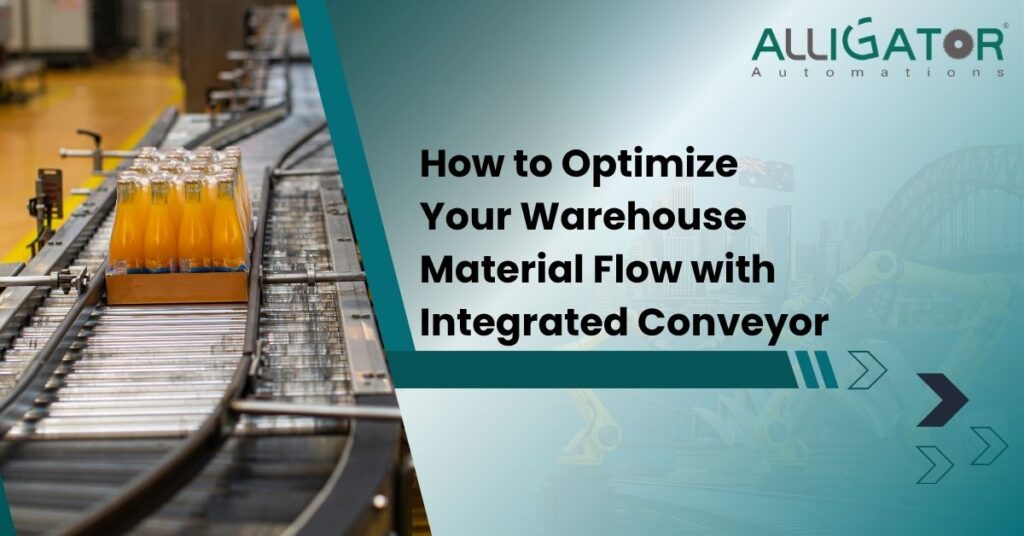
How to Optimize Your Warehouse Material Flow with Integrated Conveyor
Summary : This blog explains how an integrated conveyor system can improve warehouse material flow, reduce manual handling, speed up order movement, and support safer, more efficient operations. It also covers where flow breaks down, what features matter most, how to plan an effective conveyor setup, and which mistakes to avoid when improving warehouse performance.
Table of Contents
ToggleWarehouse performance depends on how smoothly products move from one point to another. In Australia, that matters more than ever. Online shopping activity remains strong, with Australia Post reporting record eCommerce spend in 2025, while buying habits continue to shift toward more frequent orders and more brands per household. At the same time, Australian labour costs remain under pressure, with the ABS continuing to report cost growth driven by labour shortages and wage-related increases. Together, these pressures make efficient warehouse flow a practical business priority rather than a nice-to-have.
That is where integrated conveyor systems make a real difference. Instead of moving goods through disconnected handoffs and manual transport steps, a well-planned conveyor setup helps create a more connected workflow from receiving to dispatch. It can reduce bottlenecks, improve visibility, support order accuracy, and make the entire warehouse easier to manage.
What Warehouse Material Flow Really Means?
Warehouse material flow is the path products take as they move through your facility. That includes receiving, put-away, storage, picking, packing, staging, and shipping. When the flow is smooth, work feels predictable. When it is not, delays build up quickly, staff spend more time walking and carrying goods, and small issues turn into operational slowdowns.
The best warehouses treat material flow as a system, not a series of isolated tasks. Every step affects the next one. If the receiving zone is congested, the picking area can feel the impact later. If packing is under pressure, dispatch slows down. That is why flow has to be planned across the whole site, not only in one section.
Why Integrated Conveyor Systems Matter?
Integrated conveyor systems are more than a way to move cartons or pallets. They connect different parts of the warehouse so products can travel with less interruption and fewer manual touches. Australian automation and warehousing providers consistently describe conveyors as a core part of intralogistics because they help synchronise movement, equipment, and data across the facility.
A strong conveyor setup can also link with other warehouse automation elements such as AS/RS, pallet shuttles, sortation systems, scanners, DWS stations, PLCs, and warehouse management software. That matters because the conveyor does not just move products; it supports a broader operational rhythm that keeps work moving in a controlled, trackable way.
Where Does Warehouse Material Flow Usually Break Down?
Most flow problems do not begin with one major failure. They start with small inefficiencies that repeat all day. Manual carrying is one of the most common issues, especially when staff need to move cartons, totes, or pallets across long distances. Over time, that creates fatigue, slower throughput, and more room for error.
Another common issue is poor connectivity between work zones. When receiving, picking, packing, and dispatch are not connected well, items wait too long between steps. That waiting time creates backlogs, and backlogs often create pressure in the form of rushed work, product damage, or missed dispatch windows.
A third issue is inflexible layout planning. Many warehouses grow over time, but their internal movement patterns stay fixed. Systems that once worked at a lower volume can become inefficient once order frequency rises. The result is usually more congestion, more walking, and more dependence on manual intervention.
How Can You Optimize Warehouse Material Flow With Integrated Conveyor Systems?
Reduce Manual Handling
The most immediate benefit of conveyor integration is less manual transport. Instead of asking staff to move items repeatedly across the warehouse, a conveyor system can carry products between core zones with consistent movement and fewer physical touchpoints. That improves productivity and frees teams for higher-value work. Learn how conveyor automation can reduce material-handling costs and help businesses achieve greater efficiency with fewer manual processes.
Speed Up Picking And Packing
Picking and packing are often the busiest points in the warehouse. When conveyors feed items to these stations in a steady flow, staff do not waste time waiting for the next load. This helps keep workstations active, shortens cycle times, and supports a better pace during busy periods.
Improve Order Accuracy
Integrated systems support more controlled movement, which can improve accuracy at the handoff points between processes. When conveyors work with sensors, scanners, and sorting tools, it becomes easier to identify items, route them correctly, and reduce the chance of misplacement.
Reduce Product Damage
Products that are repeatedly lifted, carried, and set down are more exposed to damage. A conveyor system helps keep movement stable and predictable. That is especially useful for fragile cartons, high-turnover goods, and products that must stay in a consistent handling pattern.
Remove Bottlenecks
A conveyor network helps reduce the stop-start pattern that often slows warehouses down. Instead of creating a queue at every handoff, items can keep moving through connected points in the process. This makes the overall system feel calmer, faster, and easier to coordinate.
Support Safety And Ergonomics
Less carrying means less strain. Better flow reduces the amount of manual lifting, pushing, and repetitive movement required from staff. That can improve workplace safety and make the warehouse more comfortable to operate in over long shifts.
Improve Scalability
A major advantage of integrated conveyor systems is that they can grow with the business. Australian warehouse providers regularly highlight scalability as a key benefit, because businesses rarely stay at the same volume forever. A system that can expand or adapt is easier to protect as demand changes.
What Features Should You Look For In An Integrated Conveyor System?
Flexibility For Different Product Types
Not every warehouse handles the same goods. Some move cartons, some move pallets, and others move totes or mixed loads. The right system should fit the products you actually handle, not just the layout you have today.
Compatibility With Existing Equipment
A good conveyor system should work with your current processes instead of forcing a total rebuild. Strong integration with current warehouse equipment helps reduce disruption and makes adoption smoother.
Automation And Control
Sensors, PLCs, and connected control systems can make conveyors more useful because they help the warehouse respond intelligently to demand. This is especially valuable when products need to be routed, sorted, scanned, or tracked in motion.
Low Maintenance Design
Warehouses need systems they can rely on every day. Durability, preventative servicing, and simple maintenance access all matter because downtime can interrupt the whole flow of work.
Room For Future Growth
A conveyor investment should support tomorrow’s volume, not only today’s. Scalable systems are easier to extend, reconfigure, or integrate with future automation upgrades.
Which Warehouse Areas Benefit Most From Conveyor Integration?
Receiving
Receiving is often the best place to start because it sets the pace for every warehouse operation that follows. In industries such as animal feed, flour, and milk powder, products often arrive in bulk and need to move quickly from inbound staging to storage or production. When this happens efficiently, businesses can reduce congestion, improve inventory visibility, and keep materials flowing smoothly throughout the facility.
Picking And Packing
Picking and packing zones benefit significantly from integrated conveyor systems because they rely on consistent product movement. This is especially valuable in dairy foods and bakeries, where orders must be processed quickly and accurately to maintain freshness and meet demand. Conveyors deliver materials directly to workstations, helping employees process orders faster while reducing unnecessary walking, manual handling, and delays.
Dispatch And Shipping
Dispatch and shipping are ideal areas for conveyor integration. In operations handling meats and proteins, as well as animal feed and milk powder, transporting cartons, cases, or pallets efficiently to staging and loading zones helps streamline outbound logistics, improve order accuracy, and support on-time deliveries, especially during peak production periods.
Australia’s growing eCommerce trends continue to increase the demand for faster and more efficient warehouse operations.
How Does Manual Material Handling Compare With Integrated Conveyor Systems?
Factor | Manual Handling | Integrated Conveyor Systems |
Material Movement | Slower and more effort-based | Continuous and more controlled |
Labour Use | Higher dependence on staff movement | Reduced physical handling |
Order Flow | More stop-start delays | More consistent flow |
Product Damage Risk | Higher risk from repeated handling | Lower risk from controlled transfer |
Safety | More lifting and walking | Better ergonomics and less strain |
Scalability | Harder to expand cleanly | Easier to build into future growth |
Visibility | Limited unless manually tracked | Better when linked with automation systems |
How Can You Plan A Successful Integrated Conveyor System For Your Warehouse?
Start by mapping the current flow. Look at where products enter, where they wait, where they slow down, and where staff spend the most time moving items manually. That gives you a practical picture of the real problem instead of a guessed one.
Next, decide what the system should improve first. Some warehouses need speed. Others need safety. Some need better order accuracy or a cleaner connection between stations. A good project plan should match the system to the business goal.
Then design the layout around the work, not the other way around. The most effective conveyor installations support the warehouse’s actual movement patterns, integration needs, and future expansion plans. That is what makes the system feel useful instead of forced.
Finally, plan for testing, training, and maintenance from the start. A conveyor system performs best when staff understand how to use it, what to monitor, and how to keep it running smoothly.
What Common Mistakes Should You Avoid When Optimizing Warehouse Material Flow?
Choosing A Conveyor System Without Understanding Your Workflow
Selecting a conveyor system before analysing your warehouse processes can lead to poor material flow and unnecessary costs. Start by identifying bottlenecks, product movement patterns, and operational goals before choosing a solution.
Planning Only For Current Demand
Many businesses design their conveyor systems around today’s workload without considering future growth. Choosing a scalable system allows your warehouse to handle increasing order volumes and changing operational requirements more efficiently.
Ignoring Integration With Existing Equipment
A conveyor system should work seamlessly with your existing warehouse equipment, software, and automation technologies. Poor integration can create new bottlenecks instead of improving overall material flow.
Treating Automation As A One-Time Investment
Warehouse automation should continue to evolve as your business grows. Regular system reviews, process improvements, and technology upgrades help maintain efficiency and maximise the return on your investment.
Skipping Regular Maintenance And Performance Reviews
Even a high-quality conveyor system requires routine maintenance and performance monitoring. Regular inspections, preventive servicing, and layout reviews help reduce unexpected downtime and keep your warehouse operating at peak efficiency.
What Should You Look For In A Warehouse Conveyor System Manufacturer?
Choosing the right warehouse conveyor system manufacturer is important for getting the best results. A good manufacturer helps improve flow, efficiency, and long-term value.
Proven Industry Experience
Look for a manufacturer with experience in your industry. This helps ensure they understand your warehouse needs and can recommend the right solution.
Custom Engineering Capabilities
Every warehouse is different. A manufacturer that offers custom design can create a conveyor system that fits your layout and workflow.
Automation Integration Expertise
Choose a manufacturer that can connect conveyors with WMS, scanners, sortation systems, and other automation tools for smoother operations.
Local Technical Support
Local support matters for installation, maintenance, and repairs. Fast help can reduce downtime and keep your warehouse running.
Scalable Solutions For Business Growth
Pick a manufacturer that offers scalable systems. This makes it easier to expand or upgrade as your business grows.
Understanding the different types of conveyor systems can help businesses choose a solution that best supports efficient material flow and future expansion.
Why Is Alligator Automations Australia A Preferred Choice For Warehouse Automation?
Choosing the right automation partner is just as important as choosing the right conveyor system. Manufacturers need solutions that improve material flow, support production goals, and deliver reliable performance as they grow. At Alligator Automations Australia, we design integrated conveyor solutions that solve real operational challenges.
Tailored Conveyor Solutions For Every Facility
Every warehouse and factory is different. We assess your layout, workflow, and product needs before recommending a solution.
Complete Integration With Warehouse Automation
Our conveyor systems work smoothly with palletising systems, robotics, WMS, and other automation equipment for a more connected workflow.
Focus On Quality, Reliability, And Performance
We provide robust conveyor solutions built for consistent performance, helping reduce downtime and improve productivity.
Scalable Solutions That Grow With Your Business
Our systems are designed to expand and adapt as your production needs change.
Dedicated Project Support From Design To After-Sales Service
We support you from consultation and design through installation, commissioning, and after-sales service for a smooth project experience.
Transform Your Warehouse With Smarter Conveyor Automation
Ready To Improve Your Warehouse Material Flow? Warehouse efficiency starts with the right automation strategy. At Alligator Automations Australia, we design customised conveyor solutions that help businesses improve material movement, streamline operations, and prepare their facilities for future growth. As a trusted intralogistics conveyor systems provider in Australia, we deliver solutions tailored to your operational needs.
Whether you’re upgrading an existing warehouse or building a new automated facility, our team is ready to help you choose the right system. Contact us today and talk to our automation specialists and unlock greater warehouse efficiency.
Frequently Asked Questions
What Is Warehouse Material Flow?
Warehouse material flow is the movement of goods through the facility from receiving to storage, picking, packing, and dispatch. Smooth flow helps reduce delays and keeps operations organised.
How Do Integrated Conveyor Systems Improve Warehouse Efficiency?
They reduce manual handling, connect work zones, speed up movement, and help products travel through the warehouse in a more controlled way.
Are Conveyor Systems Suitable For Small Warehouses?
Yes. Conveyor systems can be scaled to suit smaller spaces and still improve flow when they are designed around the actual workflow.
Can Conveyor Systems Work With Other Warehouse Automation Equipment?
Yes. Conveyor systems can integrate with sortation systems, scanners, packing stations, AS/RS, and warehouse management software depending on the setup.
What Should A Business Consider Before Installing Conveyor Automation?
A business should review its layout, product types, current bottlenecks, future growth plans, maintenance requirements, and integration needs before selecting a system.
What Types Of Products Can Be Moved On A Conveyor System?
They reduce the need for staff to lift, carry, and move items manually across long distances, which can improve ergonomics and lower physical strain.
How Do Conveyors Help Reduce Workplace Strain?
They reduce the need for staff to lift, carry, and move items manually across long distances, which can improve ergonomics and lower physical strain.
Do Conveyor Systems Require A Lot Of Maintenance?
Most systems require regular inspections and servicing, but a well-designed conveyor setup should be built for durability and straightforward maintenance access.
Can Conveyor Systems Be Expanded Later?
Yes. Many conveyor systems are designed with scalability in mind, so they can be extended or reconfigured as warehouse demand grows.
How Do Conveyors Help With Order Accuracy?
When conveyors are integrated with scanners, sensors, and sorting tools, they help route products more consistently and reduce the chance of misplacement or handling errors.
Recent Posts
Categories
Browse Our Automation Solutions
Explore our complete product catalogue and find the perfect solution for your industry.