
How Can Conveyor Belts Be Maintained And Repaired?
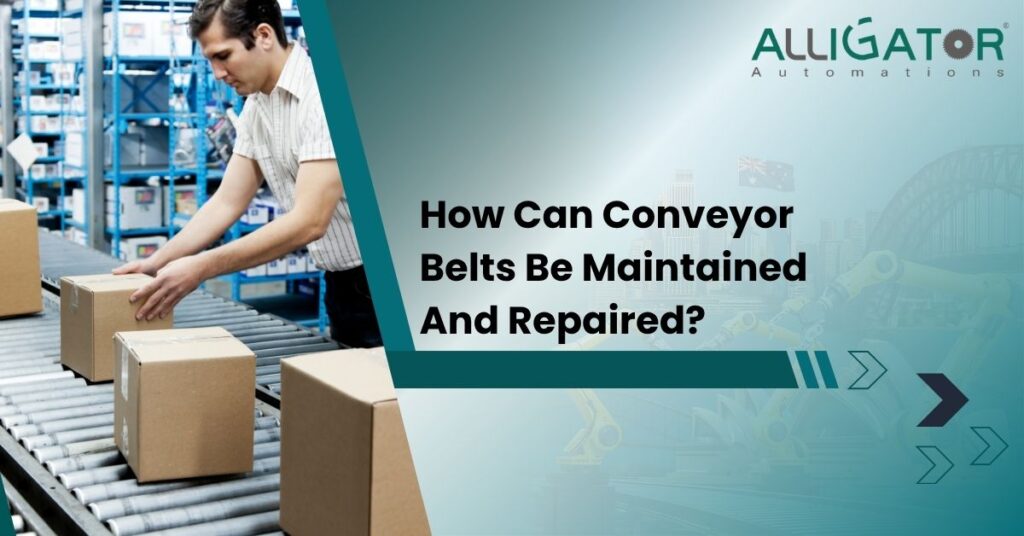
How Can Conveyor Belts Be Maintained And Repaired? Summary: This blog explains how conveyor belts can be maintained and repaired to improve performance, reduce downtime, and extend equipment life. It covers common causes of conveyor belt damage, essential maintenance practices, inspection schedules, warning signs of wear, effective repair methods, and best practices for keeping conveyor systems operating efficiently and reliably. Conveyor belts are one of the most important parts of any material handling setup. When they run well, production stays smooth, material moves safely, and downtime stays under control. When they start to wear out, the problems usually appear fast: misalignment, spillage, belt damage, extra noise, and rising repair costs. Australian conveyor resources consistently emphasize the same priorities: regular inspections, cleaning, alignment checks, roller and pulley care, and early repair of small faults before they become major failures. Why Is Conveyor Belt Maintenance Important? A conveyor belt rarely fails without warning. Small issues usually show up first, such as uneven tracking, residue build-up, worn rollers, loose splices, or belt edge wear. If those signs are ignored, they can lead to larger mechanical problems and unplanned shutdowns. Preventive maintenance helps reduce those risks by keeping the belt, rollers, pulleys, cleaners, and drive components in healthy condition. Maintenance is not only about extending belt life. It also supports safer operation, more predictable output, and lower total operating cost. Clean, properly aligned systems create less friction, less spillage, and less strain on surrounding components. That is why strong maintenance habits are one of the simplest ways to protect a conveyor investment over the long term. What Are The Common Causes Of Conveyor Belt Damage? Understanding the most common causes of damage makes maintenance more effective. The issues below appear again and again in conveyor guidance because they are the biggest drivers of wear and breakdown. Belt Misalignment When a belt runs off-centre, it can rub against the frame, rollers, or other components. Over time, that contact can fray the belt edges and create tracking problems that get worse with every shift. Material Build-Up Carryback and debris can collect on rollers, pulleys, and return sections. This build-up adds friction, affects tracking, and can lead to uneven movement. Worn Or Seized Rollers Roller failure is more serious than many operators expect. A faulty roller can create drag, damage the belt surface, and increase maintenance requirements across the whole conveyor. Incorrect Tension A belt that is too loose may slip, while a belt that is too tight places unnecessary stress on the system. Both conditions reduce performance and shorten service life. Splice Failure Poor splice condition can create weak points in the belt. If the splice begins to separate, the belt can lose integrity and require urgent repair. How Can Conveyor Belts Be Maintained Properly? A good maintenance program should be simple, repeatable, and built around daily observation plus scheduled servicing. The most effective conveyor articles from Australian industry sites tend to focus on the same practical actions: inspect regularly, clean often, correct alignment quickly, and replace worn parts before they fail. Inspect The Belt Daily A quick daily walk-around can catch early warning signs before they become expensive repairs. Look for belt edge wear, tears, fraying, cracks, unusual noise, spillage, and visible build-up. These checks are simple, but they often prevent the biggest breakdowns. Keep The Conveyor Clean Dirt, dust, product residue, and foreign objects can interfere with belt movement. Cleaning the belt, skirting, rollers, and surrounding zones reduces friction and improves tracking. In high-throughput facilities, cleaning is one of the easiest ways to improve reliability. Check Belt Tracking Proper tracking keeps the belt centred and reduces edge wear. If the belt drifts to one side, inspect the rollers, pulleys, splice quality, and structural alignment. Small tracking issues should be corrected quickly because they usually become larger problems if left alone. Monitor Belt Tension Tension should match the system design and the belt specification. If the belt slips or stretches, the drive system will work harder than it should. Regular tension checks help maintain stable performance and prevent unnecessary wear. Inspect Rollers, Pulleys, And Idlers These components carry a lot of responsibility. If one begins to fail, the belt may not run smoothly. Listen for noise, check for rough rotation, and replace damaged parts early. Lubricate Moving Parts Bearings, chains, and other moving assemblies need proper lubrication to reduce friction and protect against premature wear. Follow the recommended service schedule and use the right lubricant for the operating environment. Regular maintenance also helps businesses follow recommended workplace safety guidelines and reduce operational risks. Recommended Conveyor Belt Maintenance Schedule Maintenance Task Frequency Purpose Visual Belt Inspection Daily Catch wear, damage, and spillage early Clean Belt And Surrounding Area Daily Or Weekly Reduce build-up and friction Check Belt Tracking Weekly Prevent edge wear and mistracking Inspect Rollers And Idlers Weekly Detect worn or seized components Verify Belt Tension Monthly Prevent slippage and overstress Inspect Pulleys And Drive Parts Monthly Maintain smooth operation Lubricate Moving Components Monthly Reduce friction and wear Full System Review Quarterly Find hidden issues before failure How Can Conveyor Belts Be Repaired? Repair methods depend on the type of damage, the belt construction, and how critical the conveyor is to production. Small problems can often be fixed quickly, while larger damage may require section replacement or full belt replacement. The important thing is to act early, because a small tear can become a major failure if the belt continues running under load. Repair Small Cuts And Tears Minor surface damage can sometimes be repaired with patches, cold vulcanising materials, or mechanical fasteners. These options work best when the damage is caught early and has not spread across a large area. Replace Damaged Belt Sections If the belt has extensive wear, repeated tears, or structural weakness, replacing the damaged section may be the most practical option. This restores performance without waiting for the fault to spread. Re-Splice The Belt Splice quality is critical to belt strength. If the splice fails or starts to separate,
Conveyor Upgrade vs Conveyor Replacement: Which Makes More Sense?

Conveyor Upgrade vs Conveyor Replacement: Which Makes More Sense? Summary : This blog explores the key differences between conveyor upgrades and conveyor replacements, helping Australian businesses determine which option offers the best value. It covers the signs that indicate a conveyor system needs attention, the benefits and limitations of each approach, important cost considerations, the impact of automation, and the factors that influence long-term return on investment. By the end, readers will have a clearer understanding of how to choose the most practical solution for their operational needs and future growth plans. Choosing between a conveyor upgrade and a full conveyor replacement is not always straightforward. For many Australian businesses, the conveyor system is the backbone of daily operations. It keeps product moving, supports production targets, reduces manual handling, and helps warehouses, factories, and processing facilities stay efficient. When that system starts slowing down, breaking down, or no longer supporting business growth, leaders face a practical question: should they upgrade what already exists, or replace it entirely? In some cases, a well-planned upgrade can deliver strong value without the cost and disruption of a full replacement. In other situations, patching up an old conveyor only delays the inevitable and ends up costing more over time. Why Do Businesses Need to Upgrade or Replace Conveyor Systems? Every conveyor system has a lifecycle. Even a well-built system will eventually show signs of wear, especially in demanding environments such as manufacturing, food processing, warehousing, mining, packaging, and logistics. Belts wear out, rollers lose efficiency, motors become less reliable, and control systems start to feel outdated compared with newer technology. Business needs also change. A conveyor that worked well five or ten years ago may no longer suit current throughput targets, automation goals, or workplace safety expectations. Growth can create pressure on older systems, especially when order volumes increase or product lines become more complex. For many Australian businesses, the real issue is not whether a conveyor is still running. It is whether it is still running efficiently enough to justify keeping it in place. Learn practical warehouse conveyor upgrade strategies in Australia to improve efficiency, reduce downtime, and maximise the lifespan of your material handling system. What Are the Signs Your Conveyor System Needs Attention? Frequent breakdowns and unplanned downtime can disrupt production schedules and reduce operational efficiency. Rising maintenance and repair costs often indicate that the conveyor system is becoming more expensive to keep running. Reduced throughput and inconsistent product flow may signal that the system is no longer performing at the level your operation requires. Maintenance teams spending excessive time on repairs rather than optimisation can be a sign that the conveyor is nearing the end of its practical service life. Difficulty sourcing spare parts for older conveyors can increase downtime and make routine maintenance more challenging. Discontinued components or limited supplier support can turn even minor equipment failures into costly operational disruptions. Safety and compliance concerns, such as inadequate guarding or outdated safety features, may require significant upgrades or a full replacement. Increased manual handling risks can affect workplace safety and productivity, making it important to assess whether the current system still meets modern operational standards. When Should You Upgrade a Conveyor System? When the Conveyor Structure Is Still in Good Condition If the frame, supports, and major components remain structurally sound, upgrading the existing system can be a more cost-effective solution than replacing it entirely. This allows businesses to improve performance while maximising the value of their current equipment. When Gradual Improvements Are Preferred Not every business is ready for a major capital investment. Conveyor upgrades can be implemented in stages, allowing companies to spread costs over time while still achieving measurable operational improvements. When Minimising Downtime Is a Priority Upgrade projects are often faster to complete than full replacements. By enhancing specific components rather than installing a completely new system, businesses can reduce disruption to daily operations and maintain productivity. When Automation Features Need to Be Added Many Australian warehouses and production facilities want to improve efficiency through automation. Upgrading controls, sensors, drives, and other components can introduce modern automation capabilities without requiring a complete system redesign. When Existing Performance Issues Are Limited If the conveyor’s main challenges involve outdated technology, declining efficiency, or component wear rather than major structural problems, an upgrade can address these issues while extending the system’s service life. When Should You Replace a Conveyor System? When a Completely New System Is Needed Conveyor replacement involves removing the existing system and installing a new solution designed around current operational requirements. This can include a new layout, improved throughput capacity, enhanced safety features, and modern automation capabilities. When the Existing Conveyor Has Reached the End of Its Service Life Older systems that experience frequent failures or ongoing performance issues may no longer be worth upgrading. Replacing the conveyor can provide a more reliable and efficient long-term solution. When Maintenance Costs Continue to Increase A new conveyor system can reduce the need for constant repairs, minimise maintenance requirements, and help businesses avoid the recurring costs associated with ageing equipment. When Future Growth Is a Priority Replacement allows businesses to install a conveyor system that can support higher production volumes, changing operational demands, and future expansion plans more effectively. When Workflow and Facility Layout Need Improvement An outdated conveyor may no longer fit the way a facility operates. Replacing the system creates an opportunity to redesign material flow, improve efficiency, and eliminate bottlenecks that upgrades alone may not resolve. When Should Australian Businesses Consider Replacing Their Conveyor System? Replacement tends to make more sense when the system is old, unreliable, and expensive to maintain. If breakdowns are frequent, spare parts are difficult to source, and maintenance costs keep climbing, the business may be spending too much just to keep the line moving. It can also be the better choice when production requirements have changed significantly. A conveyor designed for lower volumes may struggle to keep up with modern demand. If the business is expanding, diversifying products,
Signs Your Warehouse Is Ready for Robotic Palletizing
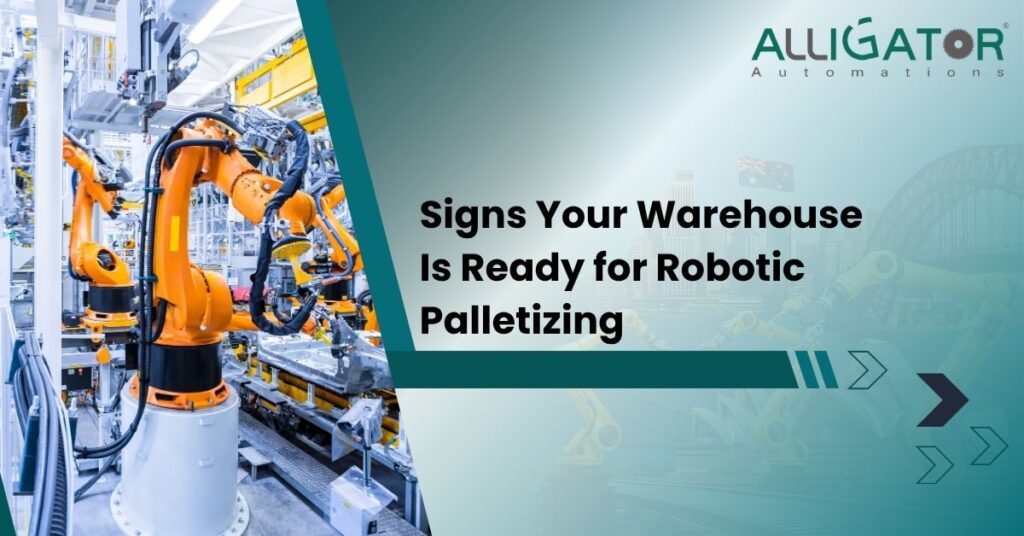
Signs Your Warehouse Is Ready for Robotic Palletizing Summary : This article explores the key signs that indicate your warehouse may be ready for robotic palletizing. From labour shortages and safety concerns to growing order volumes and space constraints, you’ll learn the common challenges that often lead businesses to consider automation. The blog also covers the benefits of robotic palletizing, readiness factors to evaluate, and how Australian warehouses can determine whether investing in automation is the right next step for long-term efficiency and growth. Australian warehouses are under more pressure than ever. Demand keeps moving faster, labour is harder to secure, and customers expect orders to go out quickly and accurately. For many businesses, palletizing is one of the first areas where those pressures become visible. What once seemed manageable with manual labour can slowly turn into a bottleneck that affects productivity, safety, and growth. That is why robotic palletizing is no longer something only large operations consider. More Australian businesses are looking at it as a practical next step when they start seeing repeated delays, rising handling risks, and increasing labour strain. The challenge is knowing when the time is actually right. Why Are More Australian Warehouses Using Robotic Palletizing? Robotic palletizing is the use of an automated robotic system to stack cartons, bags, crates, or other products onto pallets in a structured and repeatable way. Instead of relying on manual labour to lift, arrange, and stabilise every pallet, the robot carries out the task with consistent speed and precision. For warehouses, this is about more than saving time. It is about creating a smoother flow at the end of the line, reducing physical strain on workers, and improving the quality of outbound pallets. In a busy Australian warehouse, even a small improvement in the palletizing process can have a ripple effect across dispatch, storage, transport, and customer satisfaction. It also helps businesses handle growth more confidently. As order volumes rise or product ranges expand, robotic palletizing can absorb more demand without putting constant pressure on the team. Industry reports consistently highlight productivity improvement as a key factor in maintaining competitiveness in Australia’s manufacturing and logistics sectors. What Signs Show Your Warehouse Is Ready for Robotic Palletizing? 1. Your Team Is Struggling to Keep Up With Palletizing Demand One of the clearest signs your warehouse is ready for robotic palletizing is simple: your team is struggling to keep up. Manual palletizing is repetitive, physically demanding, and often one of the least attractive warehouse tasks for staff. If your operation is experiencing labour shortages, high turnover, or difficulty filling shifts, palletizing is often one of the first areas to suffer. The same issue appears when staff are pulled away from other tasks to help with end-of-line work during busy periods. When that happens, delays start building. Orders wait longer to be dispatched. Staff get tired faster. The pressure spreads across the operation. Robotic palletizing can help remove that constant strain from the team. Instead of repeatedly assigning people to a physically exhausting task, your workforce can focus on higher-value jobs that require judgement, supervision, or coordination. 2. Palletizing Has Become a Bottleneck in Your Workflow If a product is moving well through production or picking, but slowing down at the packing or dispatch stage, palletizing may be the bottleneck. A bottleneck at this stage is easy to miss at first. One person falls behind, another gets pulled in to help, and the process keeps moving. But over time, the issue becomes more obvious. Pallets are waiting longer to be built. Trucks are delayed. Finished goods are sitting in staging areas. The warehouse may still be busy, but it is no longer flowing efficiently. This is one of the strongest indicators that automation could make a real difference. Robotic palletizing can keep up with consistent output, reducing the stop-start pattern that often comes with manual handling. It also helps maintain a more predictable pace, which is especially important when dispatch windows are tight. 3. Workplace Safety Concerns Are Increasing Safety is another major reason Australian businesses begin exploring robotic palletizing. Manual palletizing involves repeated lifting, twisting, bending, and stacking. Over time, that increases the risk of strain injuries, fatigue-related mistakes, and handling incidents. If your workplace has seen more near misses, rising injury concerns, or growing attention from management around manual handling risks, that is a sign the process deserves a closer look. Robotic palletizing does not remove the need for people, but it does reduce the amount of heavy lifting required from them. That can support safer work practices and create a better long-term environment for staff. It can also help businesses reduce the hidden cost of injuries, including downtime, replacement labour, and disruption to operations. For many warehouses, the safety argument is just as important as the productivity argument. According to Safe Work Australia, manual handling remains a significant cause of workplace injuries across Australian industries, making automation an increasingly attractive option for warehouses. 4. Your Product Range Has Become More Complex Warehouses rarely stay static. Product lines change, packaging evolves, and customer requirements become more specific. A palletizing process that worked well for a small number of standard cartons can start to struggle when the mix becomes more complex. You may be dealing with: Different carton sizes Variable box weights Multiple pallet patterns Seasonal product changes Special handling requirements Customer-specific load formats Manual palletizing can manage some of that complexity, but it becomes harder to keep every pallet stable and consistent as the range grows. Robotic palletizing systems are often designed to handle a variety of configurations, which makes them a strong fit for businesses with changing product demands. If your team is spending too much time adjusting stack patterns, reworking pallets, or dealing with inconsistencies, automation may be ready to step in. 5. You Are Seeing More Damage, Rework, or Load Instability A pallet that is poorly stacked can cause problems long after it leaves the warehouse. Product damage, unstable loads, transport issues, and customer
The Complete Guide to Fully Automated Bagging Systems
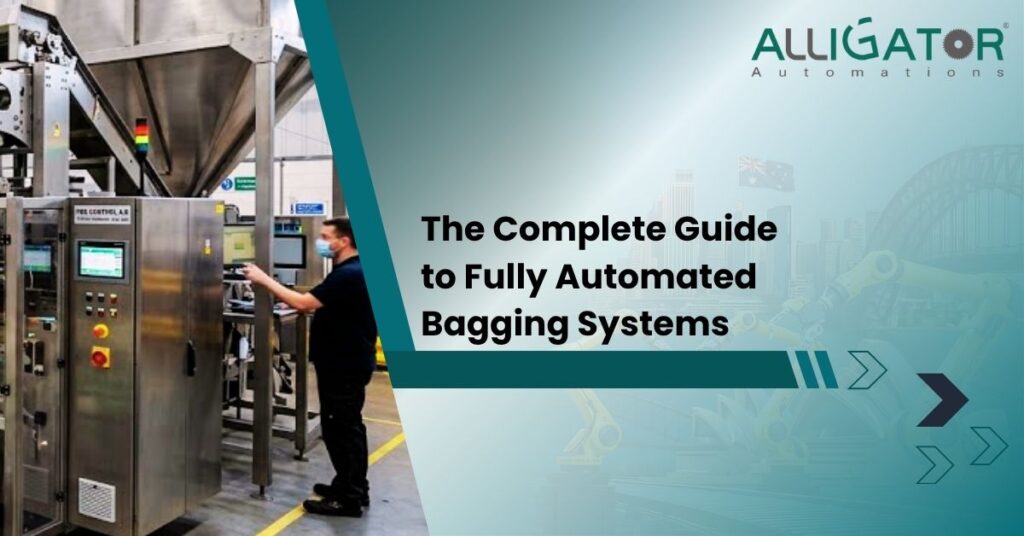
The Complete Guide to Fully Automated Bagging Systems Summary : In this guide, we’ll explore everything businesses need to know about fully automated bagging systems, including how they work, their key components, major benefits, industry applications, return on investment, and important factors to consider before implementation. Whether you’re looking to improve packaging efficiency, reduce labor dependency, or scale production capacity, this article provides a comprehensive overview of how automated bagging technology can support long-term operational success. Manufacturers across multiple industries are under increasing pressure to improve efficiency, maintain product quality, and keep operational costs under control. As production volumes grow and packaging requirements become more demanding, traditional manual bagging processes often struggle to deliver the speed, accuracy, and consistency needed for modern operations. Fully automated bagging systems provide a practical solution by automating every stage of the packaging process—from bag feeding and product filling to sealing, conveying, and palletizing. These systems help businesses increase throughput, reduce human error, and create more streamlined production workflows. Whether handling agricultural products, chemicals, plastic pellets, minerals, or building materials, automated bagging technology enables businesses to package products more efficiently while minimizing manual handling and improving overall productivity. What Are Fully Automated Bagging Systems? A fully automated bagging system is an integrated packaging solution that automates every stage of the bagging process with minimal human involvement. Unlike manual or semi-automated systems, fully automated solutions manage the complete workflow automatically, including: Bag feeding and placement Product weighing Material filling Bag sealing or closing Product conveying Inspection and quality checks Palletizing and load preparation The result is a continuous and highly efficient packaging operation capable of handling large production volumes while maintaining consistent quality standards. As manufacturers across Australia continue investing in automation, fully automated bagging systems have become an essential component of modern production facilities. What Are the Different Types of Bagging Machines? Bagging machines are available in various configurations to suit different products, bag types, and production requirements. Choosing the right system depends on factors such as product type, packaging speed, accuracy, and automation needs. Open-Mouth Bagging Machines Designed for pre-opened bags, these machines are commonly used for grains, seeds, fertilizers, animal feed, and building materials. Valve Bag Filling Machines Ideal for powders and granular products such as cement, chemicals, and minerals, these machines fill bags through a valve opening while reducing dust. Form-Fill-Seal (FFS) Machines FFS machines create, fill, and seal bags automatically from a roll of film, making them suitable for high-volume production. Bulk Bag Filling Machines Also known as FIBC or jumbo bag fillers, these systems handle large-volume materials used in mining, agriculture, and bulk material operations. Automatic Bagging Machines These machines automate bag feeding, filling, weighing, and sealing processes to improve efficiency and reduce labor requirements. Robotic Bagging Systems Robotic systems provide flexible and precise bag handling while integrating seamlessly with conveyors, palletizers, and other automation equipment. Selecting the right bagging machine depends on your product, production goals, and operational requirements. How Does a Fully Automated Bagging System Work? Although configurations vary depending on the product and industry, most systems follow a similar process. Automatic Bag Feeding The process begins with an automatic bag feeder that picks empty bags from a magazine and accurately positions them for filling. This eliminates manual bag placement and ensures consistent operation throughout the production cycle. Product Weighing and Filling Once the bag is positioned, the product is measured using advanced weighing systems. Depending on the application, the system may use: Net weighers Gross weighers Volumetric fillers Auger filling systems These technologies ensure accurate bag weights while minimizing product giveaway and material waste. Bag Sealing and Closing After filling, bags move automatically to the closing station. Depending on the bag type and product requirements, closure methods may include: Heat sealing Sewing or stitching Pinch-top sealing Valve bag sealing Proper sealing helps maintain product integrity during storage and transportation. Product Conveying Sealed bags are transferred through conveyor systems for inspection, labeling, and preparation for shipment. Automated conveying reduces handling time and keeps production flowing smoothly. Robotic Palletizing At the end of the line, robotic palletizers stack bags according to predetermined patterns. This creates stable pallet loads while eliminating repetitive manual lifting tasks. Main Components of a Fully Automated Bagging System Several technologies work together to create a seamless packaging process. Core Components Automatic bag placer Product feeding system Weighing equipment Bag filling machine Bag sealing or closing unit Conveyor systems Check weigher Product inspection equipment Labeling system Robotic palletizer Stretch wrapping machine Central PLC control system Each component plays a critical role in ensuring packaging accuracy, production speed, and operational efficiency. The ability to integrate these technologies into a single automated line is what makes fully automated bagging systems so effective. What Are the Benefits of Fully Automated Bagging Systems? The growing adoption of automated packaging technology is driven by the significant advantages it delivers. Increased Production Speed Automated systems operate continuously and can process significantly more bags per hour than manual operations. Improved Accuracy Precise weighing technology ensures every bag meets required specifications, reducing overfilling and product giveaway. Lower Labor Dependency Automation minimizes the need for manual handling, allowing employees to focus on higher-value operational tasks. Enhanced Workplace Safety Reducing repetitive lifting and bag handling helps lower the risk of workplace injuries. Consistent Product Quality Automated controls maintain uniform packaging standards throughout production runs. Reduced Product Waste Accurate filling systems minimize material loss and improve resource utilization. Greater Operational Efficiency Automated processes reduce downtime, improve workflow consistency, and support higher production output. Easier Business Scalability As demand grows, automated systems can accommodate increased production requirements without significant labor expansion. Which Industries Use Fully Automated Bagging Systems? Automated bagging technology supports a wide range of industries that handle bulk materials and packaged products. Common Industries Industrial Manufacturing Chemicals Carbon Black Plastic Pellets Building Materials Agriculture Grain Processing Seed Processing These industries often require high-volume packaging operations where speed, consistency, and safety are critical. Automated systems help maintain production efficiency while ensuring
10 Signs Your Business Needs an Automated Tyre Handling System
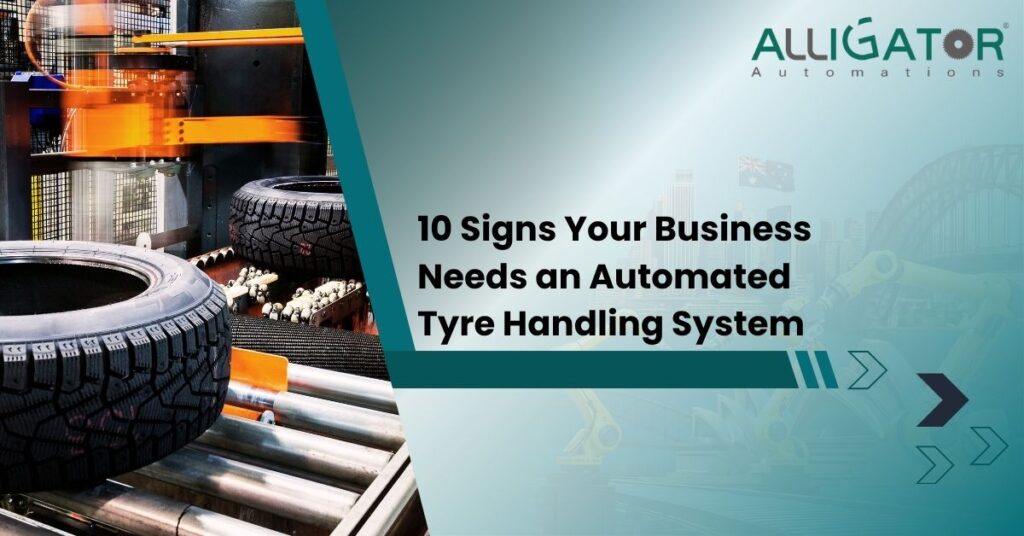
10 Signs Your Business Needs an Automated Tyre Handling System Summary : This blog explores the key signs that indicate a business may be ready for an automated tyre handling system. It covers common operational challenges, the benefits of automation, industry applications, and the factors businesses should consider when evaluating tyre handling automation solutions. In many tyre manufacturing, storage, and distribution operations, manual handling still takes up more time and effort than it should. What starts as a manageable process can quickly become a bottleneck as production grows, safety expectations increase, and labour becomes harder to manage. Tyres are bulky, repetitive to handle, and often move through multiple stages before they reach dispatch. When this process depends too heavily on manual work, it can affect productivity, increase workplace risks, and slow down the entire operation. An automated tyre handling system helps businesses move tyres more efficiently, safely, and consistently. Instead of relying on repetitive manual lifting, stacking, transferring, and loading, automation creates a smoother flow across the facility. For businesses trying to improve output while reducing pressure on staff, this can make a major difference. Why Is Tyre Handling Becoming More Challenging for Modern Businesses? Tyre handling has changed a lot in recent years. Facilities are expected to move larger volumes, maintain better safety standards, and improve turnaround time without adding unnecessary labour costs. At the same time, many operations are dealing with space limitations, staff shortages, and rising pressure to deliver more with fewer delays. When tyres are moved manually, small inefficiencies can build up quickly. A few extra seconds at each stage may not seem like much, but across an entire shift, it can lead to lost time, higher fatigue, and inconsistent performance. For businesses that want steady growth, this is often the point where automation starts to make more sense. This challenge is becoming increasingly common for businesses across Australia, where rising labour costs and stricter safety expectations are pushing companies to look for smarter handling solutions. According to SafeWork NSW, hazardous manual tasks are one of the major causes of musculoskeletal injuries in workplaces, making it important for businesses to look at safer handling methods as operations grow What Are the Signs That Your Business Needs an Automated Tyre Handling System? 1. Employees Spend Too Much Time Moving Tyres Manually If workers are spending too much of their shift lifting, shifting, or repositioning tyres, your operation may already be losing valuable time. Manual handling slows down the workflow and takes skilled employees away from more important tasks. Over time, this can reduce overall productivity and create unnecessary strain on the team. Automation helps shorten movement times and keeps the process moving without constant physical effort. 2. Workplace Injuries and Safety Incidents Are Increasing Tyres are heavy, awkward, and repetitive to handle. This makes manual tyre handling one of the areas where safety risks can increase fast. Back strain, shoulder injuries, slips, and fatigue-related mistakes are all common in busy facilities. A few warning signs may include: Frequent lifting-related complaints from staff Increased absenteeism due to physical strain Unsafe stacking or movement practices More near-miss incidents in busy zones If these issues are becoming familiar, automation can help reduce the physical load on workers and improve workplace safety. 3. Production Bottlenecks Are Slowing Down Operations When tyres are not moving smoothly from one stage to the next, production bottlenecks begin to appear. This often happens when manual handling creates delays between storage, processing, packing, or dispatch. These delays can slow down output, make schedules harder to follow, and reduce the efficiency of the whole line. An automated tyre handling system supports a more continuous flow, which helps operations stay on schedule. 4. Labour Costs Continue to Rise Labour is one of the biggest costs in any handling operation. When businesses depend heavily on manual movement, they also depend on a larger workforce, more supervision, and more training. That often means: Higher wage expenses Overtime during busy periods More recruitment pressure Ongoing training costs for new staff Automation does not remove the need for people, but it can reduce dependence on repetitive manual tasks and help control long-term labour costs. The performance and outlook report 2025 indicates that many manufacturers are focusing on automation to improve operational efficiency, reduce labour pressures, and support long-term business growth. 5. Your Facility Is Running Out of Space Tyres take up a lot of room, and poor handling can make space problems worse. If your facility feels crowded, disorganised, or difficult to navigate, manual handling may be part of the problem. Automation can help improve the way tyres are moved, stored, and transferred, making better use of available floor space. That matters especially in facilities where every square metre counts. 6. Tyre Damage During Handling Is Becoming Common When tyres are handled manually too often, the chance of damage increases. Dropping, dragging, mishandling, or poor stacking can all affect product quality and create waste. That can lead to extra rework, customer complaints, and higher replacement costs. An automated system helps improve control during movement and reduces the risk of damage caused by inconsistent manual handling. 7. Production Volumes Are Growing Faster Than Your Workforce Business growth is a good problem to have, but it can quickly expose the limits of a manual handling system. If your order volume is rising but your team size is staying the same, you may already be stretching your process too far. Automation helps facilities handle more output without depending on constant workforce expansion. That makes it easier to support growth without creating operational stress. 8. Order Fulfilment and Dispatch Delays Are Affecting Customers Tyre handling does not stop at production. Delays in internal movement can affect packing, staging, loading, and dispatch. When that happens, customer deliveries begin to slip. Common signs include: Late dispatch schedules Congestion near loading areas Missed handover windows Reduced customer satisfaction An automated tyre handling system can help improve internal flow and support faster, more reliable fulfilment. 9.
The Role of Case Packaging in End-of-Line Warehouse Automation Systems
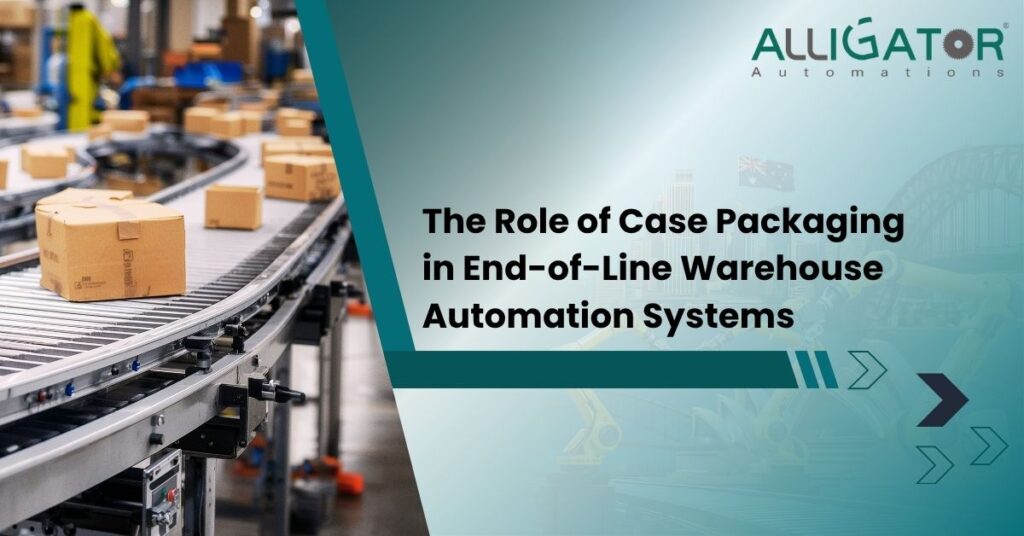
The Role of Case Packaging in End-of-Line Warehouse Automation Systems Summary : This blog explores the role of case packaging in end-of-line warehouse automation systems and how it helps Australian businesses improve efficiency, reduce manual handling, increase packaging accuracy, and streamline dispatch operations. It also covers the benefits of automation, industry applications, system integration, sustainability advantages, and the growing importance of automated case packaging in modern warehouse environments. Modern warehouses are under constant pressure to move faster, reduce errors, and keep operations running smoothly. As order volumes grow and customer expectations rise, end-of-line automation has become more important than ever. One of the most overlooked but essential parts of this process is case packaging. Case packaging sits at the point where products are grouped, packed, sealed, and prepared for dispatch. In an automated warehouse environment, this step does far more than close a box. It helps improve speed, protect product quality, reduce labor strain, and keep the entire fulfilment line working with better consistency. For businesses in Australia and other competitive logistics markets, this can make a major difference in day-to-day performance. Recent warehouse automation market reports also show increasing investment in end-of-line automation technologies across manufacturing and logistics industries. What Is Case Packaging in Warehouse Automation? Case packaging refers to the process of placing products into cases, cartons, or shipping boxes at the final stage of production or warehousing. In manual operations, this is often done by workers who pack, seal, and label cases by hand. In automated systems, machines and robotic equipment perform much of this work with greater speed and precision. In an end-of-line warehouse automation system, case packaging usually works alongside conveyors, scanners, sealing units, labeling systems, and palletizing equipment. The goal is to create a smooth flow from product completion to shipment readiness without unnecessary delays or handling. Case packaging performs several important functions in warehouse automation systems, including grouping products into the correct case sizes, sealing cartons securely, applying labels and barcodes, preparing products for palletizing or shipping, and reducing manual intervention during the final stage of the packaging process. Why Is Case Packaging Important in End-of-Line Warehouse Automation? The end of the warehouse line is where efficiency often matters most. If packaging slows down, the whole operation can be affected. Even if upstream processes are highly automated, poor case packaging can create bottlenecks, increase damage risks, and reduce order accuracy. Case packaging helps solve these issues by making the final packaging stage faster and more reliable. It also supports a more consistent output, which is especially valuable for businesses handling large volumes of stock across multiple product categories. When case packaging is integrated properly, the result is a more coordinated workflow. Products move from sorting to packing to dispatch with less downtime and fewer errors. That kind of efficiency is especially valuable for Australian businesses dealing with tight delivery windows and rising labor costs. What Are the Benefits of Automated Case Packaging Systems? Automated case packaging systems bring several practical advantages to warehouse operations. These benefits go beyond speed and can improve the overall structure of the warehouse line. Faster packaging throughput Lower dependence on manual labor More consistent packing quality Reduced product damage during handling Better use of warehouse space Improved safety for workers Higher order accuracy Easier integration with other automation systems Automated systems are especially helpful when product demand changes quickly. Rather than adding more staff to keep up with volume spikes, businesses can rely on machinery to maintain output at a steady pace. That makes the packaging process more scalable and predictable. What Is the Difference Between Automated and Manual Case Packaging? Feature Manual Case Packaging Automated Case Packaging Speed Slower Faster Labor Requirement High Lower Consistency Varies by worker More uniform Error Rate Higher Lower Product Protection Less controlled More reliable Scalability Limited High Long-Term Efficiency Moderate Strong This comparison shows why many businesses are shifting toward automation. Manual packaging may work for smaller operations, but as volumes grow, automation becomes easier to justify. How Does Case Packaging Improve Warehouse Productivity? Case packaging affects more than just the final box. It influences the full rhythm of the warehouse. When the packaging stage runs efficiently, downstream processes such as palletizing, loading, and shipping also become faster. A well-designed packaging line can support: Continuous movement of goods Less waiting time between stages Reduced rework from damaged or incorrect packs Better coordination with inventory systems More stable output during peak periods This is one reason why packaging is becoming a core part of modern warehouse automation systems rather than just a finishing step. Growing demand shown in recent logistics industry statistics highlights the increasing need for faster, more efficient, and automated warehouse packaging systems. Where Automated Case Packaging Systems Are Commonly Used? Many industries rely on case packaging to handle large product volumes and maintain quality standards. The benefits are clear in sectors where speed, accuracy, and protection are essential. Common Industries Include: Food and beverage manufacturing Pharmaceuticals FMCG warehouses E-commerce fulfilment centers Automotive component production Consumer goods distribution Each of these industries has different packaging requirements, but the need for efficiency is the same. In high-volume operations across Australia, automated case packaging helps companies maintain productivity without compromising quality. How Does Case Packaging Integrate with Smart Warehouse Systems? Case packaging delivers the best results when it is connected to the rest of the warehouse ecosystem. Today’s systems are no longer isolated machines. They often work with conveyors, sensors, robotic arms, warehouse management software, and scanning tools. A simple flow looks like this: This integration can improve: Real-time tracking Inventory visibility Packaging accuracy Maintenance planning Production monitoring When the case packaging process is linked with digital controls, warehouse managers gain better oversight of performance. That makes it easier to spot issues early, adjust line speed, and keep operations running smoothly. Modern case packaging systems are now becoming part of Industry 4.0 environments where real-time monitoring and connected automation improve warehouse efficiency. Challenges Businesses Face Without Automated
Top 10 Benefits of Automated Truck Loading Systems
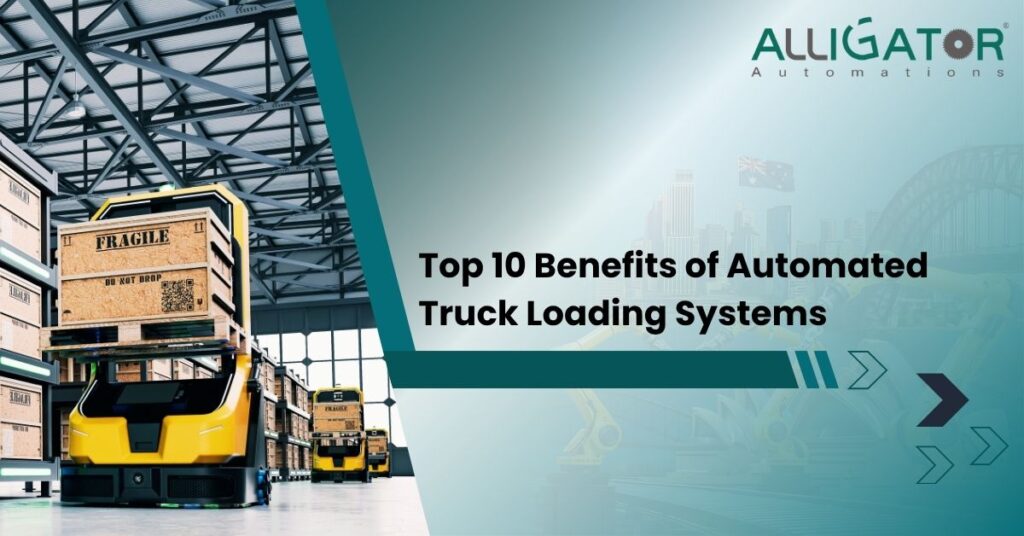
Top 10 Benefits of Automated Truck Loading Systems Summary : This blog explains how automated truck loading systems help businesses improve loading speed, reduce manual labour, increase workplace safety, and improve warehouse efficiency. It also covers the key benefits, industry applications, cost-saving advantages, and important factors businesses should consider before choosing a truck loading automation solution. Manual truck loading has long been a time-consuming part of warehouse and distribution work. As order volumes grow and delivery windows get tighter, many businesses are looking for faster, safer, and more reliable ways to move goods from the warehouse to the truck. That is where automated truck loading systems make a real difference. For businesses in Australia, the pressure to improve loading speed, reduce labour dependence, and keep goods moving smoothly is only increasing. Automated truck loading systems help solve these challenges by creating a more efficient, consistent, and controlled loading process. What Are Automated Truck Loading Systems? Automated truck loading systems are material handling solutions designed to move pallets, cartons, or other goods into trucks with minimal manual effort. These systems use conveyors, rollers, telescopic loading equipment, or other automated mechanisms to speed up loading and unloading. Instead of relying heavily on manual labour and forklifts, the process becomes more streamlined. That means less waiting time at the dock, fewer handling errors, and better use of warehouse resources. Why Are Businesses Using Automated Truck Loading Systems? Modern logistics depend on speed and accuracy. Every extra minute at the loading dock can create delays in dispatch, transport planning, and customer delivery. Manual loading also brings more risk of product damage, worker fatigue, and inconsistent performance. Automated systems help businesses handle these challenges more effectively. They support smoother operations, improve workflow, and create a more organized loading environment. According to recent warehouse automation industry trends, more businesses are investing in smart loading and material handling technologies to improve operational efficiency and reduce manual workload. What Are The Key Benefits Of Automated Truck Loading Systems? Faster Loading and Unloading One of the biggest advantages of automation is speed. Automated truck loading systems can move goods much faster than manual handling methods. This helps reduce truck turnaround time and allows warehouses to dispatch more loads in a day. For busy operations, even small time savings at the dock can make a noticeable difference. Lower Dependence on Manual Labour Finding and managing labour for repetitive loading tasks can be difficult. Automated systems reduce the need for large loading teams and ease pressure during peak periods. This is especially valuable when labour availability changes or when businesses want to do more with the same workforce. Improved Workplace Safety Manual loading often involves heavy lifting, repeated bending, and movement around forklifts or other equipment. These conditions can increase the chance of injury. Automated loading systems help create a safer loading zone by reducing physical strain and limiting direct handling. That leads to a more controlled work environment and fewer safety concerns. Poor manual handling practices can increase the risk of workplace injuries, fatigue, and operational delays in warehouse environments. Better Loading Accuracy When goods are loaded manually, there is always a chance of uneven stacking, poor placement, or missed items. Automation helps standardize the loading process. This improves accuracy and makes it easier to load goods in a consistent pattern. As a result, shipments are easier to track, manage, and deliver. Reduced Product Damage Products can get damaged when they are handled too many times or moved too roughly during loading. Automated systems help reduce unnecessary contact and movement. That is especially important for fragile, packaged, or high-value goods. Less damage means fewer returns, fewer losses, and better customer satisfaction. Higher Warehouse Productivity When loading happens faster and with fewer interruptions, the entire warehouse benefits. Staff can focus on other important tasks instead of spending too much time on manual loading work. This improves overall productivity and helps the business handle more orders without slowing down operations. Better Use of Dock Space Loading areas can become crowded when goods, equipment, and workers all need space at the same time. Automated systems help keep the dock more organized and efficient. A better-structured loading area reduces congestion and makes it easier to move goods in and out without delays. Lower Operating Costs Over Time Although automation requires an upfront investment, it can reduce long-term operating costs. Businesses often save money through lower labour requirements, fewer damaged goods, and improved process efficiency. Over time, these savings can make automated loading a smart business decision. Easy to Scale as the Business Grows As order volumes increase, loading demands usually rise too. Automated systems can support this growth more easily than purely manual processes. That makes them a strong option for businesses that want a loading solution that can grow with future demand. Supports Modern Warehouse Automation Automated truck loading systems fit well into a broader warehouse automation strategy. They can work alongside conveyors, sorting systems, warehouse software, and other handling equipment. This creates a more connected and efficient operation. For many growing warehouses, that kind of integration is becoming an important part of long-term planning. What Is The Difference Between Manual And Automated Truck Loading? Understanding the difference between manual and automated loading operations helps businesses identify where automation can improve efficiency, safety, and overall warehouse performance. Manual Truck Loading Automated Truck Loading Systems Higher labour dependency Lower manual effort Slower loading process Faster turnaround time Greater risk of injury Safer loading environment More chance of product damage More controlled handling Inconsistent performance Standardized workflow This comparison clearly shows how automated truck loading systems help create faster, safer, and more consistent loading operations for modern warehouses and distribution centres. Industries Where Automated Truck Loading Systems Are Commonly Used Automated truck loading systems are useful for a wide range of operations, especially those that handle high volumes or time-sensitive shipments. Common users include: E-commerce fulfilment centres Food and beverage operations Building materials industry Cement industry Carbon black industry Packaging and distribution businesses Pharmaceutical
Manual vs Automated Pallet Handling Solutions – Which Is Better?
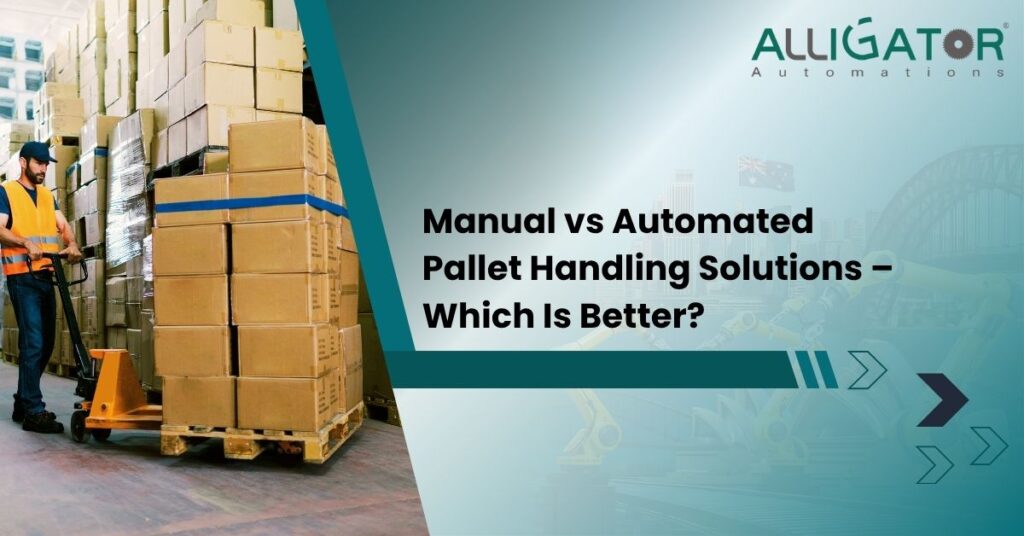
Manual vs Automated Pallet Handling Solutions – Which Is Better? Summary : This blog explains the key differences between manual and automated pallet handling solutions, including their advantages, limitations, costs, safety, and efficiency. It also helps businesses understand which pallet handling system is better based on warehouse size, operational needs, and future growth plans. Warehouses, factories, and distribution centers all depend on one thing that often goes unnoticed until problems start showing up: smooth pallet movement. Whether it is loading goods, shifting inventory, or preparing shipments, the way pallets are handled can directly affect speed, safety, and overall productivity. For many businesses, the real question is no longer whether pallet handling matters. The question is whether a manual setup is still enough, or whether it is time to move toward automation. Both manual and automated pallet handling solutions have their place. The better choice depends on your operation size, workload, budget, and future growth plans. What Are Pallet Handling Solutions? Pallet handling solutions refer to the tools, systems, and methods used to move, lift, store, and transport pallets inside a warehouse or industrial facility. These solutions help businesses manage goods more efficiently and reduce unnecessary delays in day-to-day operations. Common pallet handling tasks include: Moving pallets from receiving areas to storage zones Loading and unloading goods from trucks Stacking pallets in racks or storage systems Transporting heavy loads across the warehouse Feeding pallets into production or packaging lines In a busy warehouse, even a small delay in pallet movement can create a chain reaction. That is why many businesses now review their handling process carefully before choosing between manual and automated systems. What Is Manual Pallet Handling? Manual pallet handling means using human labor and basic equipment to move pallets. This may include hand pallet trucks, forklifts operated by people, or direct manual labor for smaller loads and simpler tasks. It is still widely used in small warehouses, local storage units, and businesses that do not deal with high pallet volume every day. The biggest reason is cost. Manual handling usually requires a lower initial investment and is easier to set up. Benefits of Manual Pallet Handling Lower upfront cost Easy to start without major infrastructure changes Suitable for small-scale operations Flexible for changing warehouse layouts Minimal technical complexity For businesses that handle limited pallets each day, manual handling can work well. It gives them control without the pressure of high automation costs. Limitations of Manual Pallet Handling Higher dependence on labor Slower movement of goods Greater risk of human error More physical strain on workers Higher chance of workplace injuries The biggest issue with manual handling is that it becomes harder to manage as volume grows. What works for a smaller operation may start creating bottlenecks once order volumes increase. What Is Automated Pallet Handling? Automated pallet handling uses machines and technology to move pallets with less human involvement. These systems may include pallet conveyors, automated guided vehicles, robotic palletizers, shuttle systems, and integrated warehouse automation tools. The goal is simple: move pallets faster, more accurately, and with less manual effort. Benefits of Automated Pallet Handling Solutions Faster movement of goods Better consistency in daily operations Reduced labor dependency Improved workplace safety Better support for large-scale operations Stronger long-term productivity Automation is especially useful in high-volume facilities where speed and precision matter. Once the system is in place, it can operate continuously and reduce delays caused by manual handling. Limitations of Automated Pallet Handling Higher setup cost Requires planning and installation time Needs technical maintenance May require staff training Not always practical for very small operations The main barrier for many businesses is the initial investment. Automated systems are often more expensive at the start, so companies need to think beyond short-term cost and look at long-term returns. What Is the Difference Between Manual and Automated Pallet Handling Solutions? When comparing manual and automated pallet handling solutions, the decision usually comes down to a few major factors. Cost Manual handling is cheaper at the beginning. Automated systems cost more upfront, but they can reduce recurring labor costs over time. Speed Automation clearly wins when speed is the priority. Manual handling can work, but it depends on worker availability and physical effort. Safety Automated systems reduce direct physical handling, which can lower injury risks. Manual handling carries more strain, especially when pallets are moved frequently. Accuracy Automation offers more consistent movement and fewer handling errors. Manual systems are more prone to mistakes, especially during busy shifts. Scalability Manual handling may be enough for a small operation, but automated systems are easier to scale when business grows. Maintenance Manual equipment is usually simpler to maintain. Automated systems need more technical support, regular servicing, and monitoring. Manual vs Automated Pallet Handling – Quick Comparison To make the decision easier, here is a simple side-by-side comparison of manual and automated pallet handling solutions based on key operational factors. Factor Manual Pallet Handling Automated Pallet Handling Initial Cost Low investment High investment Operating Speed Slower and depends on workers Fast and consistent Labor Requirement High dependency on manpower Low dependency on labor Safety Higher risk of injuries Safer working conditions Accuracy More chances of human error High accuracy and precision Scalability Limited for large operations Easily scalable Maintenance Simple and low cost Requires technical maintenance Best For Small warehouses and low volume work Large warehouses and high-volume operations This comparison helps businesses quickly understand which automated pallet handling system fits their operational needs better without going into complex technical details. Safety and Working Conditions in Manual and Automated Pallet Handling Solutions Safety is one of the most important factors when choosing between manual and automated pallet handling solutions. In manual handling systems, workers are required to lift, move, and transport heavy pallets regularly, which increases the risk of strain, fatigue, and workplace injuries if proper safety practices are not followed. It also depends heavily on human effort, so mistakes or unsafe handling can sometimes lead to accidents or
The Comprehensive Guide to Warehouse Conveyor Systems: From Belt to Roller
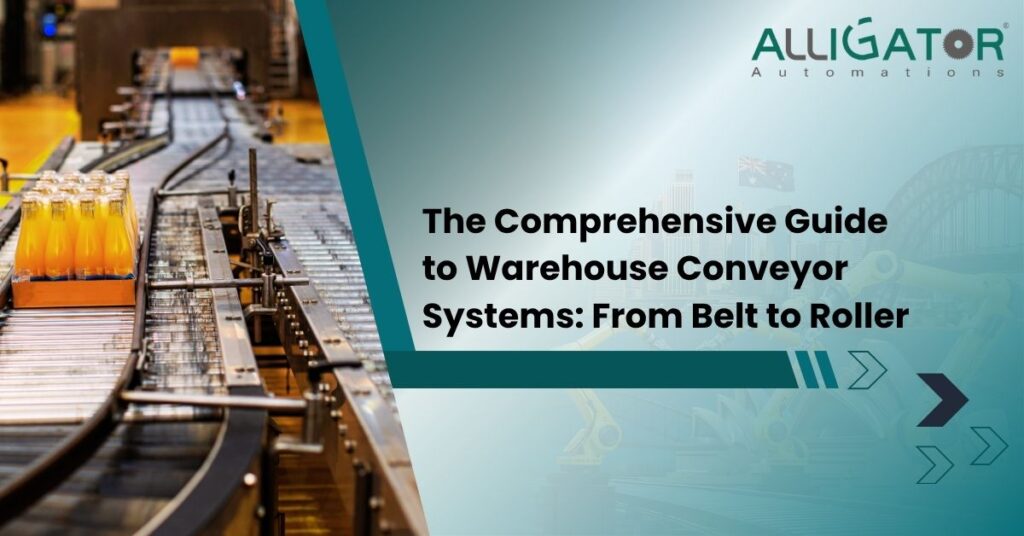
The Comprehensive Guide to Warehouse Conveyor Systems: From Belt to Roller Summary : Warehouse conveyor systems play a major role in improving warehouse speed, efficiency, and material handling operations. This blog explains how different conveyor systems work, including belt conveyors and roller conveyors, along with their advantages, applications, maintenance tips, and automation benefits. It also covers the key differences between conveyor types, how to choose the right system for a warehouse, and why modern industries rely on conveyor solutions to improve productivity and reduce manual handling. Industrial conveyor systems have become one of the simplest ways to move products faster, cut down on manual handling, and keep fulfillment operations flowing. In modern warehouses, conveyors help shift cartons, totes, parcels, and even pallets from one work zone to another without constant lifting or carrying. That matters because speed, accuracy, and consistency are now essential in distribution and order fulfillment. Why Are Conveyor Systems Important in Modern Warehouses? As order volumes grow, warehouses need a system that keeps goods moving without creating bottlenecks. Conveyor systems help by increasing throughput, reducing repetitive labor, and improving safety and ergonomics for workers who would otherwise lift or push heavy items all day. They also support better space use because goods can travel through the building in a more organized path. Another major advantage is consistency. Manual transport depends on people, and people get tired, distracted, or overloaded during busy periods. Conveyors create a steady flow, which is especially useful in shipping, sorting, and packing zones where delays quickly ripple through the rest of the operation. What Is a Belt Conveyor System in Warehousing? Belt conveyors are one of the most flexible options in warehouse handling. They use a continuous moving belt to carry products along a flat or inclined path, which makes them a strong fit for lightweight, fragile, or irregularly shaped goods. Because the belt provides a smooth surface, items tend to travel gently and stay stable during transport. These systems are often used in packaging lines, sorting areas, and transfer points where a steady flow matters more than heavy-load support. Belt conveyors are also useful when products need to move over longer distances or through sections where a continuous movement path is easier to manage than repeated starts and stops. What Is a Roller Conveyor System and Where Is It Used? Roller conveyors move goods across a series of cylindrical rollers instead of a continuous belt. They are especially effective for flat-bottomed products such as cartons, cases, and pallets. Depending on the setup, they may run by gravity or by powered motors. This makes roller systems a practical option for warehouses that want simple movement with low friction and easy accumulation. Powered versions are commonly used in accumulation zones, sortation lines, and shipping stations where products may need to stop, buffer, and release in sequence. For many warehouses, roller conveyors are the preferred choice for bulky or heavy loads because they reduce manual effort and make handling more comfortable for workers. They are also popular in modular layouts, where sections can be added or adjusted as operations grow. What Are the Different Types of Belt Conveyor Systems Used in Warehouses? Warehouses use different types of belt conveyor systems depending on the product type, layout, and movement requirements. Some conveyor belts are designed for lightweight packages, while others are better for inclined transport or flexible warehouse operations. Common Types of Belt Conveyor Systems Flat Belt Conveyors Modular Belt Conveyors Cleated Belt Conveyors Incline Belt Conveyors Decline Belt Conveyors Curved Belt Conveyors Heavy-Duty Belt Conveyors What Are the Different Types of Roller Conveyor Systems? Roller conveyor systems are widely used in warehouses because they are efficient for handling cartons, totes, boxes, and pallets. Different roller conveyor types are designed for different movement styles, load capacities, and warehouse layouts. Common Types of Roller Conveyor Systems Gravity Roller Conveyors Powered Roller Conveyors Flexible Roller Conveyors Chain-Driven Roller Conveyors Motorized Roller Conveyors Accumulation Roller Conveyors Pallet Roller Conveyors What Is the Difference Between Belt Conveyors and Roller Conveyors? The simplest way to choose between belt and roller conveyors is to look at the product itself. That difference is one reason conveyor selection should always start with the item being transported, not just the size of the warehouse. Feature Belt Conveyor Systems Roller Conveyor Systems Best For Fragile, lightweight, or irregular products Cartons, boxes, pallets, and heavy loads Product Support Full surface support during movement Supports flat-bottom products on rollers Movement Style Smooth and continuous flow Controlled movement with accumulation options Ideal Warehouse Use Long transport routes and sorting lines Staging, packing, and dispatch areas Maintenance Needs Requires belt tracking and tension checks Requires roller inspection and lubrication In both cases, the right system is the one that matches the product mix, throughput demand, and long-term operating plan. Which Products Move Best on Belt Conveyors? Belt conveyors are best for products that need full surface support during transport. That includes small packages, lightweight goods, loose items, irregular shapes, and fragile products that should not sit directly on rollers. Flat belts are especially useful when the product needs a stable, smooth ride without gaps under the load. They are also a smart choice for mixed-item handling in warehouses that process different package sizes throughout the day. Because belt systems are versatile and can be adapted for multiple warehouse tasks, they work well in packaging, transfer, and sorting zones. Which Materials Are Handled by Roller Conveyors? Roller conveyors are best suited for cartons, boxes, totes, trays, and pallets with flat bottoms. These products move easily over rollers and can be handled efficiently in staging, accumulation, and transfer operations. Heavy-duty rollers are also widely used for larger unit loads such as drums, steel containers, and other bulky warehouse items. They are especially practical in warehouses where products need to be sorted, buffered, or moved in sections instead of one continuous stream. Because roller conveyors are available in gravity, powered, flexible, and heavy-duty formats, they can be matched to different load types
Robotic Palletizing Systems in 2026: The Shift Toward Full Autonomy
Robotic Palletizing Systems in 2026: The Shift Toward Full Autonomy Summary : This blog explores how robotic palletizing systems in 2026 are moving beyond basic automation and becoming a key part of fully connected warehouse operations. It covers the growing role of AI, smart software, autonomous mobile robots, and advanced warehouse integration in improving efficiency, reducing manual work, and helping businesses handle increasing operational demands more effectively. Warehouse automation is changing faster than most businesses expected. A few years ago, robotic palletizing was mainly used to reduce repetitive lifting and improve production speed. In 2026, companies are looking at it very differently. Modern robotic palletizing systems are no longer limited to simply stacking boxes at the end of a production line. They are becoming part of a smarter warehouse setup that can respond, adjust, and continue operating with much less manual involvement. This shift is happening because warehouses today are dealing with constant operational pressure. Labor shortages, rising order volumes, mixed product handling, and faster delivery expectations are forcing businesses to rethink how goods move through their facilities. Instead of depending heavily on manual processes, many companies are now investing in automation that improves consistency, efficiency, and long-term scalability. What Are Robotic Palletizing Systems? A robotic palletizing system is designed to automatically stack cartons, bags, cases, or packaged products onto pallets in an organized and stable way. Earlier systems were often built for repetitive tasks with very little flexibility. If the product size changed or pallet patterns needed adjustment, manual reprogramming was usually required. In 2026, palletizing systems will become far more advanced. They can now handle multiple product sizes, changing pallet configurations, and varying production demands with much less downtime. Many systems are also connected directly with warehouse software, allowing operations teams to monitor performance, track product flow, and make adjustments more efficiently. This matters because palletizing sits at one of the most important points in warehouse operations. Small delays or stacking errors at this stage can affect shipping schedules, product safety, and overall productivity. Smarter automation helps reduce these disruptions and keeps outbound operations running smoothly. Why Are Robotic Palletizing Systems Becoming More Popular in 2026? One of the biggest changes happening in 2026 is the way businesses view warehouse automation. Companies are no longer looking at robotics as a standalone machine investment. Instead, they are building connected systems where software, robotics, sensors, and transport solutions work together. Modern warehouses are becoming more software-driven. AI-based systems can now help manage workflows, prioritize movement, and improve coordination across different parts of the facility. That means robotic palletizing systems are no longer operating independently. They are becoming part of a connected automation environment that responds in real time. Some of the major changes driving this shift include: AI-powered workflow management Real-time warehouse monitoring Smarter coordination between robots and transport systems Better inventory tracking and movement control Reduced dependency on manual operations Faster response to changing production demands Improved efficiency across warehouse workflows This is also why the idea of “full autonomy” feels much more realistic today. Automation software can now track inventory movement, coordinate robotic actions, and reduce the need for constant human monitoring. Instead of workers manually directing every stage of the workflow, the system itself can handle many routine decisions automatically. How Is AI Making Robotic Palletizing Systems More Autonomous? Artificial intelligence is playing a major role in improving robotic palletizing systems. Modern solutions use computer vision and intelligent sensing technology to identify products, inspect packaging quality, read labels, and adjust handling automatically. This is especially useful for warehouses that deal with mixed product sizes or frequent SKU changes. Traditional palletizing setups often struggled when products varied throughout the shift. AI-powered systems can adapt much faster by recognizing product differences and adjusting pallet patterns without lengthy manual setup changes. For businesses, this creates a more flexible operation. Instead of stopping production to reconfigure pallet patterns manually, the system can respond dynamically as warehouse conditions change. That flexibility is becoming increasingly important as companies handle more customized orders and faster delivery schedules. How Do AMRs and Smart Warehouse Systems Improve Robotic Palletizing? Robotic palletizing is becoming more effective because it is now connected with other warehouse technologies. Autonomous mobile robots, often called AMRs, are increasingly being used to move products and pallets across facilities automatically. At the same time, warehouse orchestration software helps coordinate movement, transport priorities, and workflow timing. Together, these systems create a much more connected warehouse environment. Instead of workers manually moving pallets from one station to another, robotic systems can now transfer products directly into automated transport flows. This reduces delays, improves coordination between departments, and creates a smoother operational process overall. What Are the Main Benefits of Autonomous Robotic Palletizing Systems? The biggest advantage of robotic palletizing systems is operational efficiency. Businesses are using automation to improve production speed, reduce repetitive labor, and create more stable workflows. Some of the most noticeable benefits include: Faster palletizing and reduced production bottlenecks Better pallet consistency and load stability Improved worker safety by reducing heavy lifting Lower dependency on manual labor Reduced product handling errors More reliable throughput during peak demand periods Another major benefit is scalability. As production demands grow, automated palletizing systems can help businesses increase output without needing to expand labor requirements at the same pace. For many companies, this is becoming a long-term operational strategy rather than a short-term upgrade. Which Industries Are Using Robotic Palletizing Systems the Most? The strongest adoption is happening in industries where speed, consistency, and labor efficiency matter every day. That may includes Agriculture Chemicals Fruits & Vegetables Dairy Foods Building Materials Fertilizers Plastic Pellets In these environments, automation is not only about reducing labor costs. It is about maintaining throughput, improving workflow stability, and reducing operational slowdowns during high-demand periods. Cold storage and high-volume distribution facilities are also investing heavily in robotic palletizing because stable pallet handling directly affects downstream performance. When pallet quality improves, shipping accuracy and warehouse planning become much easier