
Industrial Automation System Installation Mistakes & Solutions
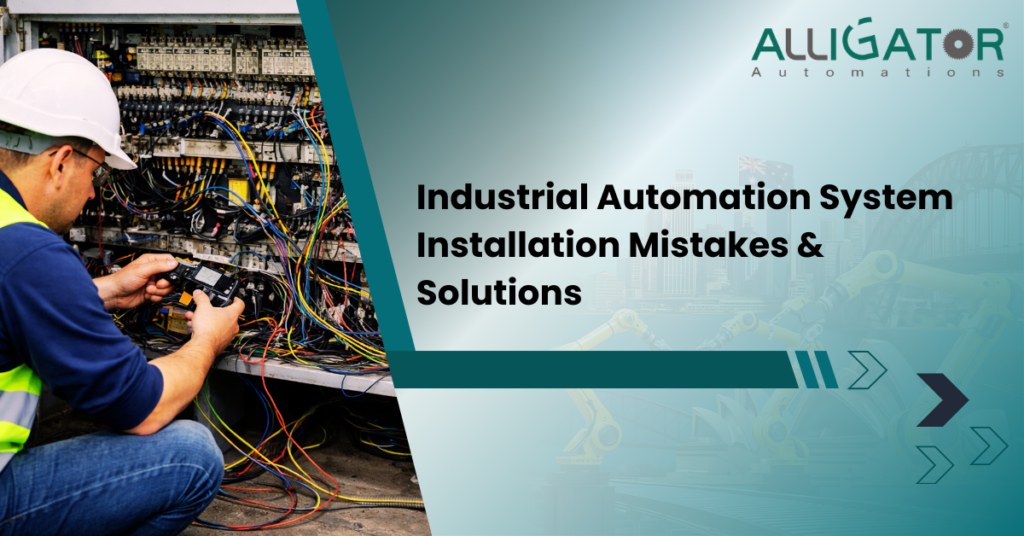
Industrial Automation System Installation Mistakes & Solutions Summary:-Installing industrial automation systems can significantly improve efficiency, productivity, and operational accuracy. However, poor planning, improper integration, or lack of training can lead to costly delays and underperforming systems. Understanding the common mistakes made during automation installation helps businesses avoid downtime and maximize return on investment. This article explores key errors companies make when implementing automation and provides practical ways to prevent them. Why Proper Automation Installation Matters More Than You Think? Automation is transforming modern manufacturing facilities. From robotic palletizing and conveyor systems to automated bagging and packaging lines, companies are increasingly relying on intelligent machinery to improve efficiency and maintain consistent production output. However, automation implementation is more complex than simply installing new equipment. It requires detailed planning, system integration, safety compliance, and proper operator training. Without these elements, even advanced automation systems may fail to deliver the expected performance. In industries where packaging and material handling are critical, automation technologies such as automated bagging systems, conveyor lines, and palletizing solutions help maintain consistent product flow and reduce manual intervention across production lines. Understanding the most common mistakes during installation can help businesses ensure their automation investment delivers long-term operational benefits. 7 Common Mistakes When Installing Automation Systems? 1. Lack of Proper Planning Before Installation One of the most frequent mistakes companies make is adopting automation without clearly defining operational goals. Many businesses invest in automation technology because competitors are doing it or because the equipment appears capable of improving productivity. However, automation should solve specific operational challenges such as increasing throughput, reducing labor dependency, or improving packaging consistency. For example, facilities handling bulk products often require solutions such as automated bagging machines or palletizing systems to streamline packaging and end-of-line handling. Implementing these technologies without identifying the exact production requirements may lead to inefficiencies. How to avoid this mistake? Define clear automation objectives Conduct a detailed process analysis before installation Identify bottlenecks in the production line Plan automation around operational efficiency rather than trends Automation works best when it is implemented to solve a specific operational challenge rather than simply introducing new technology. 2. Choosing the Wrong Automation Equipment Another common mistake is selecting automation technology that does not align with the facility’s production requirements. Industrial environments vary widely depending on product size, packaging type, production speed, and material handling needs. Choosing equipment that is not designed for these conditions can lead to operational disruptions and higher maintenance costs. For instance, some facilities may benefit from robotic palletizing systems that offer flexibility for handling different packaging formats, while others may require automated conveyor systems to efficiently transport products between packaging and loading areas. How to avoid this mistake? Evaluate product handling requirements Consider current and future production volumes Assess flexibility for handling different product formats Consult automation experts before selecting equipment Choosing the right equipment ensures the automation system supports both current operations and future scalability. 3. Ignoring System Integration With Existing Machinery Automation systems rarely operate independently. They must integrate with existing production equipment, control systems, and operational workflows. When integration is overlooked, machines may not communicate effectively, resulting in inefficiencies, delays, or manual intervention. For example, automated bagging systems must integrate seamlessly with conveyor systems and palletizing equipment to ensure products move efficiently from packaging to final pallet preparation. How to avoid this mistake? Ensure compatibility with existing production machinery Integrate sensors, PLC controls, and monitoring systems Conduct integration testing before full deployment Work with automation specialists who understand system architecture A properly integrated system ensures all components operate together as a coordinated production line. 4. Poor Facility Layout and Equipment Placement Automation systems require careful layout planning to maintain smooth material flow throughout the facility. Improper equipment placement can create bottlenecks in production, restrict movement of materials, and reduce overall efficiency. For example, conveyor systems and palletizing stations must be positioned strategically to allow continuous product flow without unnecessary handling or transport delays. How to avoid this mistake? Plan the facility layout before equipment installation Design workflows that minimize material handling steps Allow sufficient space for equipment maintenance and safety zones Optimize product flow between packaging and palletizing stages A well-designed layout ensures automation systems operate efficiently while reducing operational interruptions. 5. Overlooking Safety and Compliance Requirements Industrial automation systems involve high-speed machinery, robotic movement, and heavy product loads. Ignoring safety standards during installation can create serious workplace hazards. Automation systems used for palletizing, conveying, or automated packaging should always include proper safety mechanisms such as protective guarding, emergency stops, and sensor-based monitoring systems. How to avoid this mistake? Install machine guarding and safety enclosures Follow industry safety regulations and compliance standards Conduct risk assessments during installation Train operators on safe equipment operation Prioritizing safety protects employees while ensuring reliable system performance. 6. Skipping Proper Testing and Commissioning Many automation projects encounter problems because businesses rush installation and begin operations without thorough testing. Automation systems must undergo multiple testing phases to verify that equipment performs correctly under real production conditions. For example, when installing automated bagging lines or palletizing systems, trial runs help confirm that product flow, machine synchronization, and packaging accuracy meet production requirements. How to avoid this mistake? Test individual components before system integration Conduct full production line simulations Run pilot production cycles before full deployment Monitor system performance during the initial operational phase Proper testing ensures the system performs reliably before entering full-scale production. 7. Neglecting Operator Training and Maintenance Planning Automation technology still requires skilled operators and maintenance teams. Without proper training, even advanced systems may not operate at their full potential. Operators responsible for managing packaging machines, conveyors, and palletizing equipment must understand system controls, troubleshooting procedures, and maintenance routines. How to avoid this mistake? Provide training programs for operators and technicians Document operating procedures clearly Schedule routine maintenance checks Monitor system performance regularly Well-trained teams help maintain automation systems efficiently while minimizing downtime. Building Reliable Automation Systems for Long-Term Success Automation systems can transform production efficiency, improve consistency, and reduce
From Manual to Smart: The Evolution of Packaging Automation
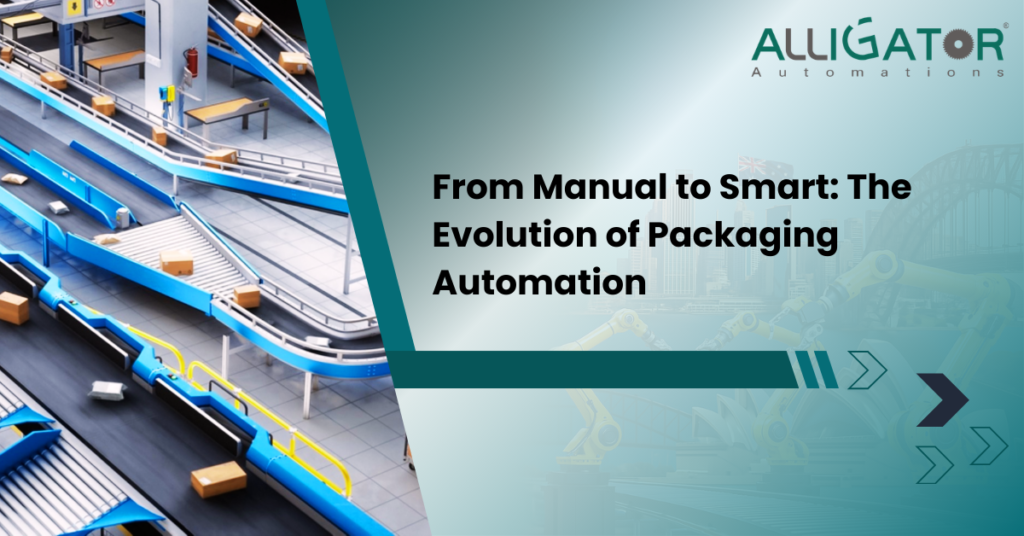
From Manual to Smart: The Evolution of Packaging Automation Summary :- Packaging operations have evolved significantly over the years, moving from labour-intensive manual processes to highly advanced automated systems. Early packaging relied heavily on human effort, which often limited production speed and consistency. As manufacturing industries expanded and demand increased, businesses began adopting automated machinery to improve efficiency and reliability. Today, smart packaging automation integrates robotics, sensors, and digital monitoring systems to streamline packaging operations and support large-scale production. This article explains how packaging systems have evolved from manual processes to intelligent automation and why modern industries increasingly rely on automated packaging technologies. From Hand-Packed to High-Tech Packaging has come a long way from the days when workers manually sealed, labeled, and stacked products on busy production floors. While these methods supported early manufacturing, rising demand and faster supply chains soon required more efficient solutions. To keep pace, industries began adopting machines that could handle repetitive packaging tasks with greater speed and precision. Over time, these systems evolved into today’s smart packaging technologies powered by automation, robotics, and data-driven monitoring. This article looks at how packaging has progressed from manual processes to intelligent automation and why this shift is transforming modern production environments. The Evolution of Packaging Automation 1. Manual Packaging: The Traditional Approach For many years, packaging operations relied entirely on manual labour. Workers performed every step of the process, from preparing containers to arranging finished products for shipment. Typical manual packaging tasks included: Filling bottles, bags, or containers Sealing packages manually Applying labels and product information Placing products into cartons Stacking packaged goods for storage or transport Although this method required minimal machinery, it also introduced several limitations, particularly as production demands increased. Common Challenges of Manual Packaging Challenge Impact on Operations Slow processing speed Difficult to handle high production volumes Labour dependency Operations affected by workforce availability Inconsistent packaging quality Variation in sealing, labeling, and placement Repetitive physical tasks Increased risk of workplace fatigue or injury Limited scalability Hard to expand production capacity These limitations encouraged manufacturers to explore technological solutions that could improve packaging efficiency. 2. Semi-Automated Systems: The First Step Toward Efficiency The next stage in packaging evolution introduced semi-automated equipment designed to assist workers with repetitive tasks. Instead of relying entirely on manual effort, manufacturers began using machines that could perform specific packaging functions. Common semi-automated equipment included: Heat sealing machines Shrink wrapping equipment Labeling machines Basic filling and capping systems In these setups, workers still played an important role by feeding products into machines, adjusting settings, and monitoring the packaging process. However, the machines handled the mechanical operations, improving both speed and consistency. 3. Fully Automated Packaging Lines With continued technological progress, manufacturers began implementing fully automated packaging systems capable of performing multiple tasks with minimal human intervention. These systems integrate various machines into a coordinated production line. Typical automated packaging operations include: Product sorting and positioning Carton forming and sealing Automated labeling and coding Robotic palletizing Stretch wrapping for shipment preparation Automated systems allow packaging operations to run continuously, reducing production delays and improving overall efficiency. Manual Packaging vs Automated Packaging: A Practical Comparison As packaging operations evolve, the difference between manual processes and automated systems becomes increasingly clear. While manual packaging relies on human effort for most tasks, automated systems use machinery and integrated technologies to manage packaging operations more efficiently. Below is a closer look at how the two approaches differ across key operational factors. 1. Production Speed Manual Packaging:Packaging speed depends on the number of workers and their ability to perform repetitive tasks. During high demand periods, maintaining consistent speed can be challenging. Automated Packaging:Automated systems operate at consistent speeds and can process large volumes of products continuously without interruptions, helping manufacturers meet tight production schedules. 2. Consistency and Accuracy Manual Packaging:Since tasks are performed by workers, variations in sealing, labeling, or product placement may occur across batches. Automated Packaging:Machines follow programmed instructions for each packaging cycle, ensuring consistent product handling, accurate labeling, and uniform packaging quality. 3. Labour Requirements Manual Packaging:Requires a larger workforce to perform repetitive packaging tasks, which can increase labour costs and operational complexity. Automated Packaging:Automation reduces dependence on manual labour by allowing machines to perform repetitive tasks, while employees focus on supervision, quality checks, and system management. 4. Operational Efficiency Manual Packaging:Manual processes can create bottlenecks in production lines, especially when output needs to increase quickly. Automated Packaging:Automated packaging lines streamline workflows and allow production to run smoothly with fewer interruptions. 5. Scalability Manual Packaging:Scaling operations usually require hiring and training additional workers, which may take time and increase costs. Automated Packaging:Automated systems make it easier to increase production capacity while maintaining consistent packaging standards. Industries Benefiting from Packaging Automation Packaging automation is widely adopted across industries that rfequire high-volume production and reliable packaging processes. Some of the industries benefiting most include: Food and beverage manufacturing Pharmaceutical production Consumer goods manufacturing E-commerce fulfillment operations Industrial and chemical product packaging Automation helps these industries maintain product quality, meet safety standards, and manage large-scale distribution networks efficiently. Why the Right Automation Partner Matters? As packaging systems become more advanced, implementing automation is not only about installing new machines it requires the right strategy and technical expertise. Businesses need solutions that fit their production environment, integrate smoothly with existing operations, and remain reliable as production demands grow. Experienced automation providers play a key role in making this transition successful. Companies like Alligator Automations Australia work closely with manufacturers to design packaging automation systems that align with specific operational requirements rather than generic, one-size-fits-all setups. Working with an experienced automation specialist can offer several advantages: Customized automation solutions designed for specific production needs Smooth system integration with existing packaging lines Scalable automation systems that support future growth Technical expertise that improves packaging workflow efficiency Preparing Packaging Operations for the Future As industries continue to scale production and improve supply chain efficiency, many manufacturers are reassessing how their packaging processes operate. Automation has become an
Training Your Team for an Automated Line:Best Practices

Training Your Team for an Automated Line: Best Practices Summary: Automated production lines have transformed modern manufacturing and packaging operations by improving efficiency, consistency, and speed. However, automation alone does not guarantee productivity. The success of any automated system depends heavily on the people who operate, monitor, and maintain it. Training employees to work confidently with automated systems helps businesses reduce downtime, maintain safety standards, and ensure smooth production flow. This article explores practical best practices for training teams that work with automated lines, including structured learning, hands-on experience, troubleshooting skills, and continuous improvement strategies. Why Training Matters for Automated Lines? Automation is becoming increasingly common in industries such as manufacturing, logistics, and pallet packaging. Automated lines help companies increase throughput, reduce repetitive manual work, and maintain consistent product quality. Despite these advantages, automation systems still require skilled operators and technicians to perform effectively. Machines rely on human supervision for monitoring processes, adjusting parameters, identifying irregularities, and performing maintenance tasks. Without proper training, employees may struggle to operate the system confidently, which can lead to production delays or safety concerns. A well-planned training approach ensures that teams understand both the equipment and the workflow around it, allowing automation to deliver its full operational benefits. Building an Effective Training Framework for Automated Lines Training for automated systems should follow a structured approach that gradually builds knowledge and practical skills. Instead of relying on informal learning, organizations benefit from clearly defined training stages. A strong training framework typically includes: Initial orientation to introduce employees to the automated line, production workflow, and safety protocols. Role-specific instruction tailored for operators, technicians, and supervisors who interact with the system differently. Standard operating procedures (SOPs) that explain correct operating steps, system settings, and safety guidelines. Clear learning objectives so employees understand what skills they are expected to develop. By structuring training in stages, organizations make it easier for employees to absorb information and build confidence when working with automation systems. Hands-On Learning: Turning Knowledge into Practical Skills While theoretical knowledge is important, employees learn best when they can interact directly with the equipment they will be using. Hands-on training allows teams to understand how automated systems behave in real operating conditions. Practical training may include activities such as: Starting and shutting down automated lines Understanding control panels and system interfaces Practicing product changeovers or workflow adjustments Observing how sensors and conveyors interact within the system Some organizations also use training simulations or demonstration units that allow employees to practice tasks without interrupting live production. These controlled environments help teams develop confidence while reducing operational risks. Developing Troubleshooting and Maintenance Awareness Even well-designed automation systems occasionally experience minor issues, such as sensor misalignment, temporary system alerts, or mechanical adjustments. Training teams to recognize and respond to these situations can significantly reduce production interruptions. Basic troubleshooting awareness may include: Understanding system alerts, alarms, and warning indicators Identifying common operational issues Performing basic resets or minor adjustments Knowing when to escalate problems to maintenance specialists Employees who understand the behavior of automated systems can respond more quickly when issues arise, helping maintain consistent production flow. Strengthening Training Through Continuous Learning Automation technologies evolve as equipment upgrades, software updates, and process improvements are introduced. Because of this, training should not be treated as a one-time activity. Continuous learning ensures employees remain confident and capable when working with automated systems. Organizations often reinforce skills through: Short refresher training sessions Updates following equipment modifications Periodic performance evaluations Feedback from operators and technicians Regular learning opportunities help employees adapt to changes while maintaining high operational standards. Encouraging Collaboration and Knowledge Sharing Training programs become more effective when employees learn from one another. Experienced operators and technicians often develop practical insights that can help newer team members adapt faster to automated environments. Encouraging collaboration can include: Mentoring programs where experienced employees guide new staff Cross-training employees across different operational roles Sharing lessons learned from operational challenges A collaborative learning environment supports both workforce development and smoother daily operations. Ensuring Training Delivers Real Operational Value To understand whether training programs are effective, organizations should monitor operational performance and employee feedback. Indicators that training is working well may include: Reduced production errors Faster response to system alerts Lower equipment downtime Evaluating these factors helps companies refine training programs and ensure employees are fully prepared to work with automation technologies. Supporting Automation Success with the Right Industry Expertise Successful automation is not just about installing advanced equipment ,it also involves preparing teams to use that equipment effectively. Businesses implementing automated packaging and pallet handling solutions often benefit from working with experienced automation providers who understand both the technology and the operational requirements of modern production environments. Solutions offered by Alligator Automations Australia focus on helping organizations streamline pallet packaging processes while supporting reliable, efficient automated workflows. With the right combination of equipment and team training practices, companies can maximize the value of their automation investments. Why Choose Alligator Automations Australia? Alligator Automations Australia delivers advanced end-of-line packaging automation that helps Australian manufacturers improve efficiency, safety, and production reliability. Their solutions are designed to streamline packaging workflows, reduce manual handling, and support consistent high-performance operations. Their automation portfolio includes: Automatic Bagging Solutions Secondary Packaging Solutions Palletizing Solutions Intralogistic Conveyor Solutions Pallet Packaging Solutions Automatic Truck Loading Solutions With strong engineering expertise and local support, they help businesses implement reliable automation systems that optimise packaging and material handling processes. Ready to Strengthen Your Automation Strategy? Implementing automated systems is only part of the journey toward more efficient production. The real impact comes when the right technology is combined with well-trained teams and reliable operational support. If your business is planning to introduce automated pallet packaging or upgrade existing production lines, working with experienced automation specialists can make the process far more effective. From selecting the right equipment to ensuring smooth integration into your workflow, expert guidance can help you achieve consistent and reliable results. Discover how Alligator Automations Australia provides best end
A Step-by-Step Checklist for Implementing Automation in Your Plant
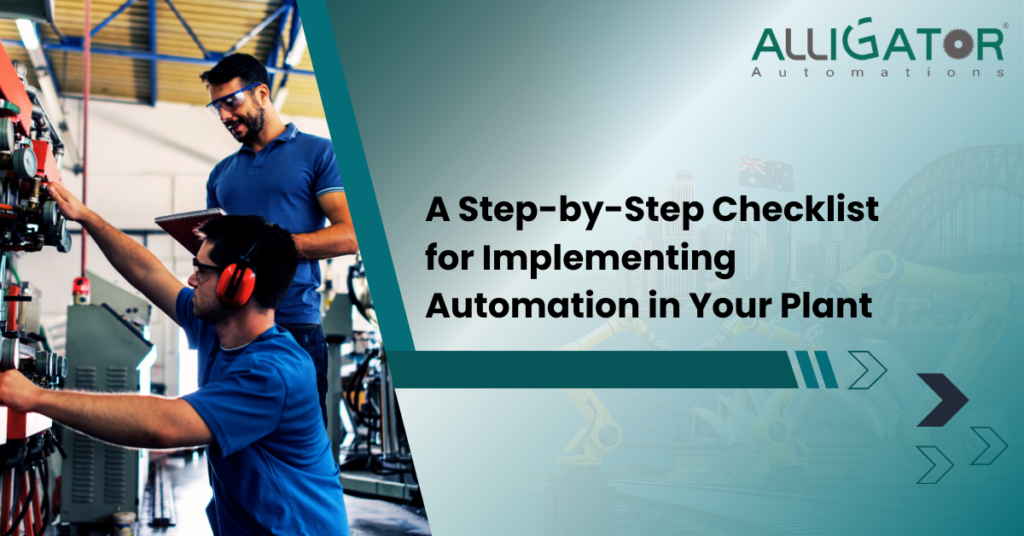
A Step-by-Step Checklist for Implementing Automation in Your Plant Summary: This blog explains a step-by-step checklist for implementing automation in a manufacturing plant. It covers important steps such as analyzing current processes, identifying tasks suitable for automation, defining clear goals, selecting the right automation technology, and optimizing workflows. The blog also highlights the importance of starting with pilot projects, training employees, and monitoring system performance to ensure successful automation. Automation is transforming the manufacturing industry by helping businesses improve productivity, efficiency, and product quality. Technologies such as robotics, automated conveyors, and smart packaging systems allow plants to operate faster, safer, and with fewer errors while reducing operational costs. However, successful automation requires proper planning, clear goals, and the right technology. A structured approach helps manufacturers implement automation smoothly and achieve long-term efficiency and return on investment. What Is Plant Automation and Why Is It Important for Modern Manufacturing? Plant automation refers to the use of advanced technologies such as robotics, control systems, sensors, and automated machinery to operate and manage manufacturing processes with minimal human intervention. These automated systems help perform repetitive and complex tasks with greater speed, accuracy, and consistency compared to manual operations. From material handling and assembly to packaging and quality inspection, plant automation enables manufacturers to streamline workflows and maintain efficient production lines. In modern manufacturing, automation has become essential for staying competitive in a rapidly evolving industrial environment. It helps businesses increase productivity, reduce operational costs, improve product quality, and enhance workplace safety. Automated systems also allow manufacturers to meet growing market demands while minimizing errors and downtime. By adopting plant automation, companies can create more efficient production environments and achieve long-term operational growth. What Should You Consider Before Implementing Automation? 1. Analyze and Map Existing Processes The first step in automation implementation is understanding your current production workflow. Businesses need to document each step of their operations and identify inefficiencies, repetitive tasks, and manual activities that slow down production. Process mapping helps manufacturers visualize how tasks move across departments and where bottlenecks occur. This evaluation ensures automation solutions are applied to the right areas and aligned with business goals. 2. Identify the Best Processes for Automation Not every task needs to be automated immediately. The most effective automation projects focus on processes that are repetitive, time-consuming, or prone to human error. For example, tasks such as material handling, packaging, inspection, and data processing are often ideal candidates for automation. Selecting the right processes ensures a higher return on investment and minimizes operational risks. 3. Define Clear Goals and Performance Metrics Before implementing automation, organizations should establish clear objectives and measurable success metrics. Automation goals may include: Increasing production efficiency Reducing operational costs Improving product quality Enhancing workplace safety Setting clear Key Performance Indicators (KPIs) helps measure the impact of automation and ensures the project stays aligned with business objectives. 4. Choose the Right Automation Technology Selecting the appropriate automation technology is a critical step. Manufacturers must evaluate equipment and software based on scalability, integration capabilities, and operational requirements. Common automation technologies used in manufacturing plants include robotic palletizers, conveyor systems, vision inspection systems, and automated packaging equipment. Choosing technology that integrates seamlessly with existing ERP or production systems ensures smooth operations. 5. Redesign and Optimize Processes Automation should not simply replicate existing processes—it should improve them. Businesses should review and redesign workflows to remove unnecessary steps and optimize operations before automation is introduced. Process reengineering ensures that automated systems operate efficiently and deliver maximum productivity improvements. It also helps organizations eliminate redundant tasks and streamline decision-making. 6. Implement Automation in Phases Introducing automation across the entire plant at once can be risky. Instead, many successful companies start with a pilot project that focuses on a single process or production line. A phased implementation allows organizations to test technology, measure performance, and resolve challenges before expanding automation to other areas of the plant. This gradual approach reduces disruption and improves adoption. 7. Train Employees and Encourage Collaboration Automation does not replace employees—it enhances their productivity. Workers play an important role in managing automated systems, handling exceptions, and maintaining equipment. Providing training programs helps employees learn how to operate automation tools, troubleshoot issues, and work alongside intelligent machines. Effective training also reduces resistance to technological change and supports smooth implementation. 8. Monitor Performance and Continuously Improve Once automation is implemented, businesses must continuously monitor system performance. Tracking production output, machine uptime, and quality metrics helps determine whether automation is delivering expected results. Regular performance reviews and system optimization ensure that automation processes continue improving efficiency and adapting to changing production needs. Continuous improvement is essential for long-term automation success. What Are the Long-Term Benefits of Plant Automation? Plant automation provides several long-term advantages that help manufacturing plants improve efficiency and remain competitive. Some key benefits include: Increased Productivity: Automated systems perform tasks faster and more consistently than manual processes. Improved Product Quality: Automation reduces human error and ensures consistent production standards. Lower Operational Costs: Over time, automation reduces labour costs and minimizes material waste. Enhanced Workplace Safety: Automated machines handle hazardous or physically demanding tasks, reducing the risk of workplace injuries. Better Production Efficiency: Automation helps eliminate bottlenecks and improves workflow across production lines.Reduced Downtime: Smart monitoring systems can detect issues early and help prevent unexpected equipment failures. Scalability for Future Growth: Automated systems allow manufacturers to easily increase production as demand grows. What Is the Difference Between Automated and Non-Automated Production? Factor With Automation Without Automation Production Speed Faster production with automated machines and robotics Slower production due to manual processes Product Quality Consistent quality with minimal errors Quality may vary due to human error Operational Cost Lower long-term costs due to efficiency Higher labour and operational costs over time Workplace Safety Safer environment as machines handle risky tasks Higher risk of injuries in manual operations Productivity Higher productivity and output Limited productivity due to manual limitations Downtime Predictive maintenance reduces unexpected downtime More downtime due to manual monitoring Scalability Easy to
The Role of Robotics & AI in End-of-Line Packaging Solutions
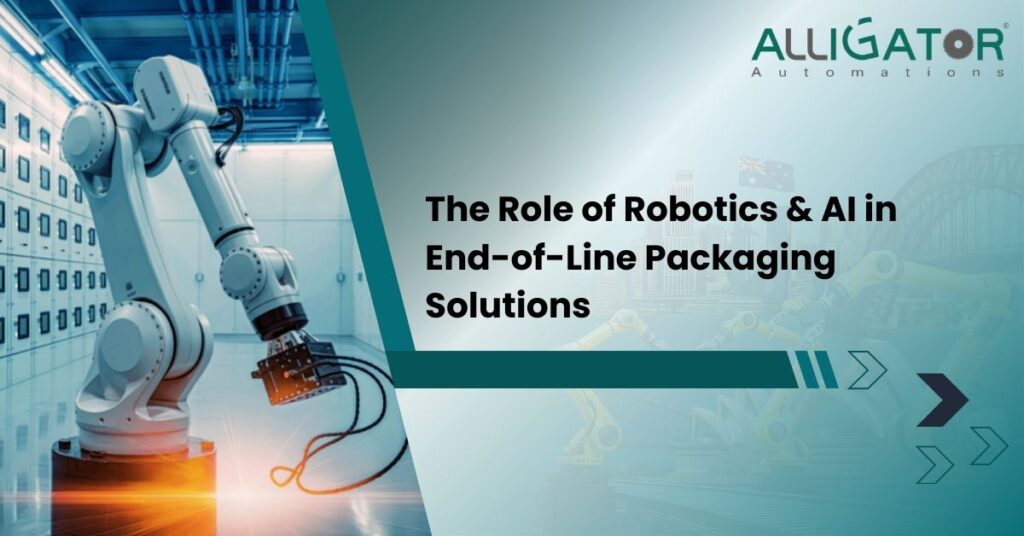
The Role of Robotics & AI in End-of-Line Packaging Solutions Summary: This blog highlights the importance of robotics and artificial intelligence (AI) in end-of-line packaging solutions, explaining how these technologies help businesses improve efficiency, accuracy, and productivity. It shows how automation reduces manual work, minimizes errors, enhances workplace safety, and supports faster packaging operations. The blog also helps manufacturers and warehouse managers understand the benefits of adopting smart packaging technologies to stay competitive in modern industrial environments. Modern manufacturing and warehouse operations demand speed, accuracy, and scalability. As production volumes increase and labor challenges grow, businesses are turning to robotics and artificial intelligence (AI) to transform packaging processes. End-of-line (EOL) packaging refers to the final stage of production where products are packed, labeled, palletized, and prepared for shipment. Traditionally, these tasks relied heavily on manual labor. Today, however, robotic automation and AI-powered systems are reshaping this stage, making packaging operations faster, safer, and more efficient. What Are End-of-Line Packaging Solutions? This packaging machinery include equipment and systems used in the final phase of the manufacturing process, such as: Case packing Carton sealing Labeling and coding Product inspection Palletizing and wrapping Conveying and sorting These automation ensure that finished products are securely packaged and ready for storage, transportation, or distribution. Automation in this stage improves operational efficiency and ensures a smooth workflow across the production line. How Robotics Improve End-of-Line Packaging Processes? Robotic technology plays a critical role in automating repetitive and physically demanding packaging tasks. From pick-and-place operations to palletizing, robots significantly improve productivity and precision. 1. High-Speed Pick and Place Operations Robotic arms and delta robots can pick and place products at extremely high speeds. Some systems can perform hundreds of picks per minute while maintaining precise positioning. This capability is particularly useful in industries such as: Food & beverage Pharmaceuticals FMCG E-commerce fulfillment Robots can quickly identify products, orient them correctly, and place them into packages without errors. 2. Automated Palletizing and Case Packing Robotic palletizers are widely used in modern packaging lines. These systems automatically stack cartons, bags, or containers onto pallets in a structured pattern. Key advantages include: Faster palletizing cycles Reduced manual handling Improved load stability Lower workplace injuries Robots can operate continuously without fatigue, enabling companies to increase packaging output significantly. 3. Improved Accuracy and Consistency Manual packaging often leads to errors such as mislabeling, incorrect product placement, or damaged packaging. Robotic systems deliver repeatable and consistent performance, ensuring every package meets quality standards. This reduces product waste and improves brand reliability. What Is the Role of Artificial Intelligence in Packaging Automation? While robotics provides physical automation, AI adds intelligence and decision-making capabilities to packaging systems. AI technologies enable machines to analyze data, learn patterns, and optimize operations in real time. 1. Smart Vision Systems for Quality Control AI-powered machine vision systems inspect products during the packaging process. They can detect: Damaged packaging Missing labels Incorrect barcodes Product defects These systems ensure 100% inspection accuracy, improving product quality and compliance with industry standards. 2. Predictive Maintenance for Packaging Equipment One of the biggest benefits of AI in packaging is predictive maintenance. AI algorithms analyze machine data to detect potential failures before they occur. This allows companies to schedule maintenance proactively, reducing downtime and preventing costly breakdowns. 3. Intelligent Production Optimization AI systems monitor packaging lines in real time and adjust operations to maximize efficiency. They can optimize: Packaging speed Resource usage Conveyor flow Product handling By analyzing performance data, AI ensures the entire packaging line operates at peak efficiency. How Smart Packaging Systems Improve Productivity and Accuracy? Smart packaging systems use advanced technologies such as automation, robotics, sensors, and artificial intelligence to make packaging processes faster and more reliable. These systems help manufacturers streamline packaging tasks like sorting, labeling, case packing, and palletizing with minimal human intervention. One of the main ways smart packaging systems improve productivity is by automating repetitive tasks. Automated machines and robotic arms can work continuously without fatigue, allowing production lines to operate at higher speeds and handle larger volumes of products. This results in faster packaging cycles and increased overall output. Smart packaging systems also enhance accuracy and consistency. Technologies like AI-powered vision systems and barcode scanners can detect labeling errors, missing items, or damaged packages in real time. This reduces human error and ensures that each product is packaged correctly according to quality standards. Another key advantage is real-time monitoring and data analysis. Smart packaging equipment collects operational data and provides insights that help managers optimize workflows, reduce downtime, and improve overall efficiency. By combining automation, intelligent monitoring, and precision handling, smart packaging systems help businesses achieve higher productivity, better quality control, and more reliable packaging operations. Why Are Smart Factories Adopting Robotic Packaging Systems? Smart factories are increasingly integrating robotic packaging systems to improve efficiency, productivity, and operational accuracy. Here are some key reasons why businesses are adopting robotic packaging machinery : Higher Production Speed – Robotic systems can perform packaging tasks such as picking, placing, and palletizing much faster than manual processes, increasing overall production output. Improved Accuracy and Consistency – Robots ensure precise product handling, labeling, and packaging, reducing human errors and maintaining consistent quality. Reduced Labor Dependency – Automation helps companies minimize reliance on manual labor for repetitive packaging tasks, especially in industries facing workforce shortages. Lower Operational Costs – Robotic systems help reduce long-term labor costs, packaging errors, and product waste, leading to improved cost efficiency. Enhanced Workplace Safety – Robots handle heavy lifting and repetitive tasks, reducing the risk of workplace injuries for employees. Greater Flexibility in Packaging Operations – Modern robotic systems can be easily reprogrammed to handle different product sizes, packaging formats, and production requirements. 24/7 Operational Capability – Unlike manual labor, robotic packaging systems can operate continuously, helping businesses maintain consistent productivity. Better Integration with Smart Factory Technologies – Robotic packaging systems can integrate with AI, IoT, and data analytics tools to optimize packaging performance and monitor operations in real time. What
How to Select the Right Conveyor System for Your Warehouse?

How to Select the Right Conveyor System for Your Warehouse? Summary: Selecting the right conveyor system for your warehouse is essential for improving material handling efficiency and productivity. The right system depends on several factors such as product size and weight, warehouse layout, load capacity, speed requirements, and future scalability. By understanding the different types of Conveyor solutionst and evaluating your operational needs, businesses can choose a solution that streamlines workflows, reduces manual labor, and enhances overall warehouse performance. Efficient material handling is one of the most important factors in running a productive warehouse. A well-designed Industrial Conveyor can improve workflow, reduce manual labor, increase speed, and enhance overall operational efficiency. However, choosing the right conveyor systems for your warehouse can be challenging because different industries require different solutions. In this guide, we will explain the key factors to consider when selecting the best Automated Material Handling System for your warehouse operations. Why Conveyor Systems Are Important for Warehouses? Modern warehouses handle thousands of products daily. Without proper automation, moving goods from one place to another can become slow and costly. A Logistics Conveyor helps warehouses: Improve material handling efficiency Reduce manual labor and human errors Speed up order fulfillment Enhance workplace safety Optimize warehouse space utilization Because of these benefits, Warehouse Transport System are widely used in e-commerce warehouses, manufacturing facilities, distribution centers, and logistics operations. What Are the Different Types of Conveyor Systems Used in Warehouses? Before selecting a Conveyor Solution, it is important to understand the different types available. 1. Belt Conveyor Systems Belt conveyors are among the most commonly used warehouse conveyors. They use a continuous belt to transport items smoothly. Best for: Lightweight to medium-weight products Long-distance transportation Packaging and distribution centers 2. Roller Conveyor Systems Roller conveyors move items using rotating rollers and are ideal for cartons, boxes, and pallets. Best for: Warehouses handling cartons and boxes Assembly lines Gravity-based transportation 3. Chain Conveyor Systems Chain conveyors use chains to move heavy loads and pallets. Best for: Heavy-duty applications Pallet transport Industrial warehouses 4. Overhead Conveyor Systems Overhead conveyors transport goods above the warehouse floor, saving valuable space. Best for: Facilities with limited floor space Manufacturing plants Paint lines and assembly areas What Is the Difference Between Automated and Manual Conveyor Systems? When selecting an industrial conveyor for a warehouse, businesses often need to decide between automated conveyor systems and manual conveyor solutions. Each option has its own advantages depending on the warehouse size, operational needs, and level of automation required. Automated Conveyor Systems Automated conveyor solutions use advanced technology such as sensors, motors, and control systems to move materials automatically with minimal human intervention. Key benefits of Automation Conveyor Systems : Higher EfficiencyAutomated systems can transport products continuously, improving workflow and reducing delays in warehouse operations. Reduced Labor CostsSince the system operates automatically, fewer workers are required for material handling tasks. Improved AccuracyAutomation reduces the risk of human error during product movement and sorting processes. Better Integration with Warehouse SystemsAutomated conveyors can integrate with warehouse management systems (WMS), robotics, and sorting systems for smarter operations. Basic Conveyor Systems Manual conveyor technology relies more on human effort to move items along the conveyor line. These systems are typically simpler and more affordable. Key benefits include in Material Handling Systems : Lower Initial InvestmentManual systems generally cost less to install and maintain compared to automated solutions. Simple OperationThese systems are easy to operate and require minimal technical training. Suitable for Small WarehousesManual conveyors work well for businesses with lower product volumes or smaller warehouse spaces. When Should Warehouses Switch to Automated Conveyor Systems? Warehouses should consider switching to automated material movement system when: Order volumes are increasing rapidly Manual handling is slowing down operations Labor costs are rising There is a need for faster order fulfillment The business plans to scale its warehouse operations By understanding the differences between automated and manual material movement systems, businesses can choose the solution that best supports their operational efficiency and long-term growth. Things to Know Before Selecting a Conveyor System Selecting the right intralogistics conveyor depends on several operational and technical factors. 1. Type of Products Being Handled The size, weight, and shape of your products play a major role in determining the conveyor type. For example: Small packages → Belt conveyors Cartons and boxes → Roller conveyors Heavy pallets → Chain conveyors 2. Warehouse Layout and Space Your warehouse design will influence the conveyor configuration. Consider: Available floor space Ceiling height Workflow paths Entry and exit points A properly designed conveyor layout ensures smooth product flow and avoids bottlenecks. 3. Load Capacity Requirements for Conveyor Systems Every system has a maximum weight limit. Choosing a system that cannot handle your load requirements may lead to breakdowns or operational delays. Make sure the system can support: Maximum product weight Peak operational loads Continuous usage 4. Speed and Throughput Requirements Different warehouses require different processing speeds. For example: E-commerce fulfillment centers need high-speed conveyors Manufacturing facilities may need steady and controlled movement Understanding your daily order volume and throughput goals will help determine the right product handling system. 5. Automation Integration Many warehouses today are integrating conveyors with automated storage and retrieval systems (ASRS), sorting systems, and warehouse management systems (WMS). When selecting a product handling system, ensure it can integrate with: Barcode scanners Sorting systems Robotics Warehouse management software 6. Maintenance and Reliability Regular maintenance is essential for any industrial conveyor. Choose a system that offers: Easy maintenance access Durable components Reliable operation with minimal downtime Low-maintenance systems can significantly reduce long-term operational costs. 7. Future Scalability Your warehouse operations may grow in the future. Selecting a modular product handling system allows you to expand the system easily when your business scales. Look for conveyors that allow: System extensions Additional lines Integration with new automation technologies What Are the Common Challenges in Choosing a Warehouse Conveyor System? Selecting the right conveyor system for a warehouse can be challenging because every facility has unique operational needs. Businesses must
Packaging Automation in FMCG: Speed, Flexibility & Cost Savings
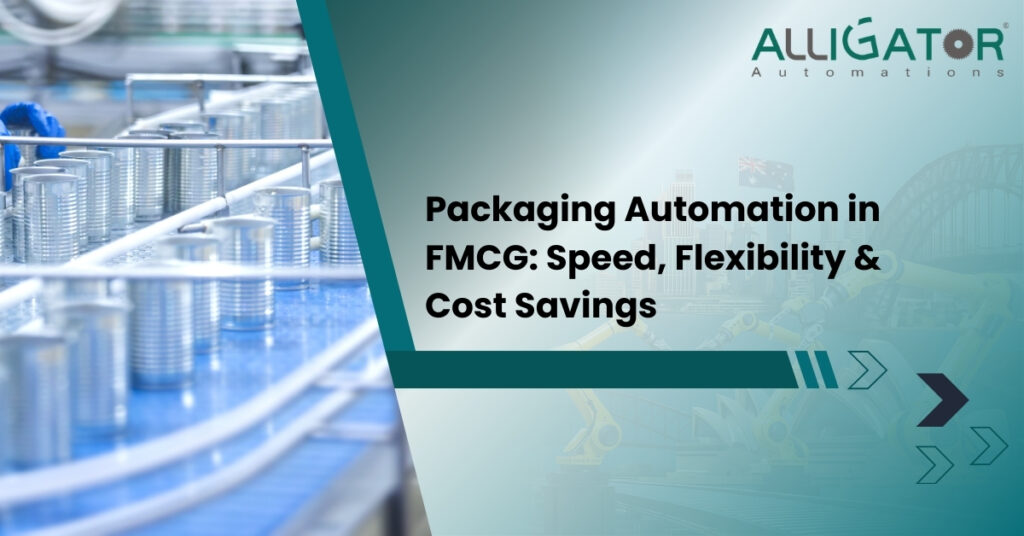
Packaging Automation in FMCG: Speed, Flexibility & Cost Savings Summary: The Fast-Moving Consumer Goods (FMCG) industry operates at extremely high production volumes where speed, efficiency, and consistency are critical. Manual packaging processes often struggle to keep up with increasing demand, leading to operational inefficiencies and higher labour costs. Packaging automation offers a powerful solution by integrating advanced technologies such as conveyors, robotic systems, and automated palletising equipment. These systems help manufacturers improve packaging speed, adapt to changing product formats, and reduce operational expenses. This blog explores how packaging automation is transforming FMCG operations through improved efficiency, flexibility, and long-term cost savings. The FMCG industry includes products that consumers purchase frequently, such as food, beverages, personal care items, cleaning supplies, and household goods. Because these products are produced and sold in large volumes, packaging plays a crucial role in ensuring efficient distribution and product protection. Traditionally, many FMCG companies relied on manual packaging processes for tasks like product sorting, boxing, sealing, and palletising. While manual labour can be effective for smaller operations, it often becomes inefficient as production scales. Human errors, slower processing speeds, and workplace fatigue can limit productivity. To address these challenges, manufacturers are increasingly adopting packaging automation systems. These technologies streamline packaging workflows, maintain consistent output, and help companies meet growing market demand while controlling operational costs. Packaging automation has become a key strategy for FMCG companies seeking to remain competitive in a rapidly evolving marketplace. The Need for Automation in FMCG Packaging The FMCG sector faces constant pressure to deliver products quickly, efficiently, and at competitive prices. Several factors are driving the need for automated packaging systems. Increasing Production Volumes As consumer demand grows, manufacturers must process and package products at higher speeds. Manual packaging processes often struggle to keep up with large-scale production lines, creating bottlenecks that slow down the entire operation. Automated packaging equipment can handle large product volumes with consistent speed, ensuring smooth production flow. Labour Shortages and Rising Costs Many manufacturing sectors are experiencing labour shortages and increasing wage costs. Relying heavily on manual labour for repetitive packaging tasks can become expensive and difficult to sustain. Automation reduces dependence on manual labour while allowing workers to focus on higher-value tasks such as system monitoring and quality control. Consistency and Quality Control Manual packaging processes can result in inconsistent packing patterns, uneven product placement, or damaged goods during handling. Automated systems ensure that every package is processed according to precise specifications, improving product quality and reducing waste. Faster Distribution and Logistics Efficient packaging is essential for maintaining smooth supply chain operations. Automated systems prepare products for shipment more quickly, helping companies meet tight delivery schedules. Key Components of Packaging Automation Modern FMCG packaging lines typically combine several automated technologies to create a fully integrated system. Conveyor Systems Conveyor systems form the backbone of automated packaging operations. They transport products smoothly between different stages of the packaging line, including inspection, sorting, packing, and palletising. These conveyors can be customised to handle various product sizes, packaging materials, and production speeds. Automated Case Packing Case packing machines automatically place products into cartons or boxes. These machines can handle a wide range of product formats, including bottles, cans, pouches, and containers. Automated case packing ensures uniform packing patterns and reduces manual handling errors. Robotic Pick-and-Place Systems Robotic arms equipped with advanced grippers are commonly used in FMCG packaging lines. These robots pick products from conveyors and place them into packaging or pallets with high speed and accuracy. Robotic systems are particularly useful for handling fragile or irregularly shaped products. Automated Palletising Once products are packed into cartons, automated palletisers stack them onto pallets for shipping. These machines create stable pallet loads by arranging cartons in optimised patterns. Automated palletising improves warehouse efficiency and ensures safe transportation of goods. Stretch Wrapping Systems After palletising, stretch wrapping machines secure the pallet load using plastic film. This step stabilises the products during transportation and protects them from environmental factors such as dust or moisture. Benefits of Packaging Automation in FMCG Automation offers several important advantages for FMCG manufacturers. Increased Production Speed Automated packaging systems can operate continuously at high speeds, significantly increasing production capacity. Manufacturers can package more products in less time without compromising quality. Improved Operational Efficiency By reducing manual intervention, automated systems streamline the entire packaging process. Products move smoothly from one stage to the next, minimising delays and bottlenecks. Greater Flexibility Modern packaging automation systems are designed to handle multiple product types and packaging formats. Manufacturers can quickly adjust machine settings to accommodate different product lines or seasonal demand changes. Reduced Labour Costs Automation reduces the need for large teams performing repetitive packaging tasks. Companies can allocate workers to more skilled roles such as system supervision, maintenance, and quality control. Enhanced Workplace Safety Packaging automation reduces the need for workers to lift heavy boxes or perform repetitive movements. This helps decrease workplace injuries and improves overall employee safety. Consistent Packaging Quality Automated systems maintain precise control over packaging processes, ensuring uniform product presentation and consistent packaging standards. Real-World Example of FMCG Packaging Automation Consider a beverage manufacturing company producing bottled drinks at high volumes. Before implementing automation, workers manually packed bottles into cartons and stacked them onto pallets. This process resulted in frequent slowdowns during peak production periods. Workers experienced fatigue from repetitive lifting, and pallet loads were sometimes unstable due to inconsistent stacking. After implementing an automated packaging line, the company introduced conveyor systems, robotic case packing, and automated palletising equipment. The results were significant. Production speed increased substantially, pallet loads became more consistent, and workplace injuries decreased. The company also reduced labour costs while improving supply chain efficiency. This example demonstrates how packaging automation can transform FMCG manufacturing operations. Future Trends in FMCG Packaging Automation The future of packaging automation is closely linked to advances in smart manufacturing and digital technologies. Artificial intelligence and machine learning are expected to improve automation systems by enabling predictive maintenance and real-time process optimisation. These technologies allow machines to
Automation for Cement, Chemicals & Building Materials

Automation for Cement, Chemicals & Building Materials Industrial sectors such as cement, chemicals, and building materials play a crucial role in infrastructure development and economic growth. However, these industries often face challenges related to high energy consumption, complex production processes, safety concerns, and the need for consistent product quality. Automation has emerged as a transformative solution that helps manufacturers optimize operations, improve safety, and increase overall efficiency. Automation technologies are increasingly being adopted across cement plants, chemical processing facilities, and building material manufacturing units to streamline production and enhance productivity. From automated material handling systems to smart monitoring tools, automation is reshaping how these industries operate. The Growing Importance of Automation in Heavy Industries Heavy industries traditionally rely on labor-intensive operations and large-scale equipment. While these methods have worked for decades, increasing demand, rising operational costs, and strict quality standards have made automation a necessity. Automation introduces intelligent systems that control processes, monitor equipment, and analyze production data in real time. This reduces manual intervention and allows manufacturers to achieve higher levels of accuracy, efficiency, and safety. For industries like cement and chemicals where production processes involve extreme temperatures, heavy loads, and hazardous materials, automation significantly minimizes risks to workers while improving operational reliability. Key Areas Where Automation Is Transforming the Cement Industry Cement production involves multiple stages including raw material extraction, crushing, grinding, blending, heating in kilns, and packaging. Each of these stages requires precision and consistency. Automation systems help monitor and control kiln temperatures, material proportions, and grinding operations. Advanced sensors and software ensure optimal process parameters, resulting in better clinker quality and reduced energy consumption. Automated conveyor systems and robotic palletizing solutions are also widely used in cement plants. These systems streamline material handling, reduce manual labor, and improve logistics efficiency within the facility. Another major advantage is predictive maintenance. Automated monitoring systems track equipment performance and detect early signs of wear or failure. This allows maintenance teams to address issues before they lead to costly downtime. Automation in Chemical Processing Plants Chemical manufacturing involves highly complex reactions and strict process control requirements. Even minor deviations in temperature, pressure, or material composition can affect product quality and safety. Automation plays a critical role in maintaining precise process control in chemical plants. Advanced control systems continuously monitor variables such as pressure, flow rate, and chemical concentrations. If any parameter deviates from the desired range, automated adjustments are made instantly. This level of precision ensures consistent product quality while minimizing waste and reducing operational risks. Automation also supports compliance with strict environmental and safety regulations by ensuring that chemical processes remain within defined safety limits. Additionally, automated batch processing systems allow chemical manufacturers to manage multiple production cycles efficiently. This improves flexibility and enables quick adjustments for different product formulations. Automation in Building Material Manufacturing The building materials industry produces a wide range of products including bricks, tiles, glass, insulation materials, and prefabricated components. Automation helps streamline the production of these materials while maintaining consistent quality standards. Robotic systems are increasingly used in cutting, shaping, and assembling building materials. Automated production lines ensure uniform dimensions, improved finishing, and faster output rates. Material handling automation also plays an important role in this sector. Conveyor belts, automated guided vehicles (AGVs), and robotic palletizers help transport heavy materials efficiently across production facilities. Packaging and palletizing automation is particularly valuable for building materials manufacturers. These systems ensure accurate stacking, reduce product damage during handling, and improve warehouse efficiency. Benefits of Automation for Cement, Chemicals, and Building Materials Industries Automation offers several advantages that directly impact productivity, safety, and profitability. One of the most significant benefits is improved operational efficiency. Automated systems can operate continuously with minimal downtime, increasing production capacity and reducing delays. Automation also enhances product quality by maintaining precise process parameters. This consistency is particularly important in industries where even small variations can affect the final product. Worker safety is another critical benefit. By automating hazardous tasks such as heavy lifting, high-temperature operations, and chemical handling, companies can significantly reduce workplace accidents and injuries. Energy efficiency is also improved through automation. Intelligent monitoring systems optimize equipment usage and reduce unnecessary energy consumption, helping manufacturers lower operational costs and meet sustainability goals. The Role of Smart Technologies in Industrial Automation Modern automation systems are powered by advanced technologies such as industrial IoT (Internet of Things), artificial intelligence, and data analytics. These technologies enable real-time monitoring, predictive maintenance, and intelligent decision-making. IoT-enabled sensors collect data from various parts of the production process, including temperature, vibration, pressure, and equipment performance. This data is analyzed to identify patterns, detect anomalies, and optimize operations. Artificial intelligence further enhances automation by enabling systems to learn from historical data and improve performance over time. For example, AI-powered predictive maintenance systems can forecast equipment failures before they occur. Digital dashboards and centralized control systems allow plant operators to monitor and manage entire facilities from a single interface. This improves visibility and enables faster response to operational issues. Challenges in Implementing Automation While automation offers numerous benefits, implementing it in heavy industries can be complex. One of the primary challenges is the initial investment required for automation infrastructure. Upgrading existing plants with automated systems often requires modifications to machinery, integration with legacy systems, and workforce training. However, the long-term benefits in terms of productivity and cost savings usually outweigh these initial costs. Another challenge is workforce adaptation. Employees need to be trained to operate and maintain automated systems. Companies that invest in employee training programs can ensure a smooth transition and maximize the value of automation technologies. Cybersecurity is also becoming an important consideration as industrial systems become increasingly connected. Protecting automation networks from cyber threats is essential for maintaining operational integrity. The Future of Automation in Industrial Manufacturing The adoption of automation in cement, chemicals, and building materials industries is expected to grow rapidly in the coming years. As technologies continue to evolve, manufacturers will gain access to more advanced tools for optimizing production and improving operational efficiency.
5 Safety Benefits of Automating Material Handling

5 Safety Benefits of Automating Material Handling Summary: Automating material handling systems helps industries improve workplace safety, reduce injuries, and increase operational efficiency. By replacing manual lifting with advanced technologies such as conveyors, robotics, and automated vehicles, companies can minimize human error, enhance ergonomics, and safely handle heavy or hazardous materials. This article explores five key safety benefits that automation brings to modern material handling operations. Reduced Risk of Workplace Injuries Manual material handling often involves lifting, pushing, pulling, or carrying heavy loads. These tasks can lead to serious injuries such as back strain, muscle fatigue, joint damage, and other musculoskeletal disorders. Automated material handling systems significantly reduce the need for manual lifting and repetitive movements. Conveyor belts, automated palletisers, and robotic arms can handle heavy loads with precision and consistency. By eliminating physically demanding tasks, companies can greatly reduce the risk of employee injuries. This not only improves worker wellbeing but also reduces compensation claims, medical costs, and lost workdays associated with workplace accidents. Improved Workplace Ergonomics Ergonomics plays a crucial role in employee safety and long-term health. Poor workplace design often forces workers into awkward positions, repetitive movements, or excessive physical effort, all of which can lead to fatigue and injury. Automation improves ergonomics by redesigning workflows around machines rather than physical labour. Automated lifting equipment, adjustable workstations, and robotic systems allow materials to be positioned at optimal heights and angles for safe interaction. As a result, employees can perform supervisory or monitoring tasks rather than physically demanding work, which significantly reduces physical stress and improves overall workplace comfort. Lower Risk of Human Error Human error is one of the leading causes of workplace accidents in industrial environments. Mistakes in material handling, such as dropping loads, misplacing items, or improper stacking, can result in injuries, equipment damage, and operational delays. Automated systems operate using programmed instructions and sensors that ensure consistent and precise movement of materials. Technologies such as automated conveyors, robotic palletising systems, and automated storage and retrieval systems (AS/RS) minimize the chances of mistakes during handling processes. By reducing reliance on manual processes, companies can create safer and more predictable work environments where risks associated with human error are significantly minimized. Safer Handling of Heavy and Hazardous Materials In many industries, workers must handle extremely heavy or potentially hazardous materials. For example, chemical containers, large industrial components, or bulk raw materials can pose serious risks if handled manually. Automated material handling systems are designed to safely transport these materials without direct human involvement. Robotic arms, automated forklifts, and conveyor systems can move hazardous items efficiently while maintaining a safe distance between workers and potential dangers. This separation between humans and high-risk materials reduces the likelihood of accidents, chemical exposure, or injuries caused by falling or unstable loads. Enhanced Safety Monitoring and Control Modern automated material handling systems are often integrated with smart technologies such as sensors, monitoring software, and industrial control systems. These technologies provide real-time visibility into operations and help detect potential safety risks before they escalate. For example, sensors can detect obstacles, overload conditions, or irregular movements in automated equipment. If an issue is detected, the system can automatically stop operations or trigger safety alerts. Additionally, automation allows companies to track operational data and identify patterns that may lead to safety concerns. This proactive approach helps organizations continuously improve safety protocols and maintain a safer workplace. The Future of Safer Material Handling Automating material handling processes offers far more than just operational efficiency. One of the most significant advantages is the improvement in workplace safety. By reducing manual lifting, minimizing human error, improving ergonomics, safely handling hazardous materials, and enabling real-time monitoring, automation creates a safer and more controlled working environment. As industries continue to embrace advanced technologies, automated material handling will play a vital role in protecting employees while improving productivity. Companies that invest in automation not only enhance operational performance but also demonstrate a strong commitment to workplace safety and employee wellbeing. Businesses looking to upgrade their systems can explore advanced end of line packaging solutions in Australia to further improve efficiency and safety in their operations. FAQs What is automated material handling? Automated material handling refers to the use of machines, robotics, and intelligent systems to move, store, control, and protect materials throughout manufacturing or warehouse processes with minimal human intervention. Which industries benefit from automated material handling? Industries such as manufacturing, logistics, warehousing, automotive, food processing, and pharmaceuticals widely benefit from automated material handling systems. Does automation completely replace workers in material handling? No, automation typically supports workers rather than replacing them. Employees often transition to supervisory, technical, or system management roles while machines handle physically demanding tasks. Automated material handling refers to the use of machines, robotics, and intelligent systems to move, store, control, and protect materials throughout manufacturing or warehouse processes with minimal human intervention. Industries such as manufacturing, logistics, warehousing, automotive, food processing, and pharmaceuticals widely benefit from automated material handling systems. No, automation typically supports workers rather than replacing them. Employees often transition to supervisory, technical, or system management roles while machines handle physically demanding tasks. Recent Posts Automating Tyre Handling & Palletising: A Case Study for the Tyre Industry – Copy Automating Tyre Handling & Palletising: A Case Study for the Tyre Industry Alligator Automations Strengthens Global Engineering Capabilities with New Manufacturing Unit | The Economic Times Categories Automation ROI Events News Packaging Automation Robotics & Automation Browse Our Automation Solutions Explore our complete product catalogue and find the perfect solution for your industry. Download Catalogue
Automating Tyre Handling & Palletising: A Case Study for the Tyre Industry
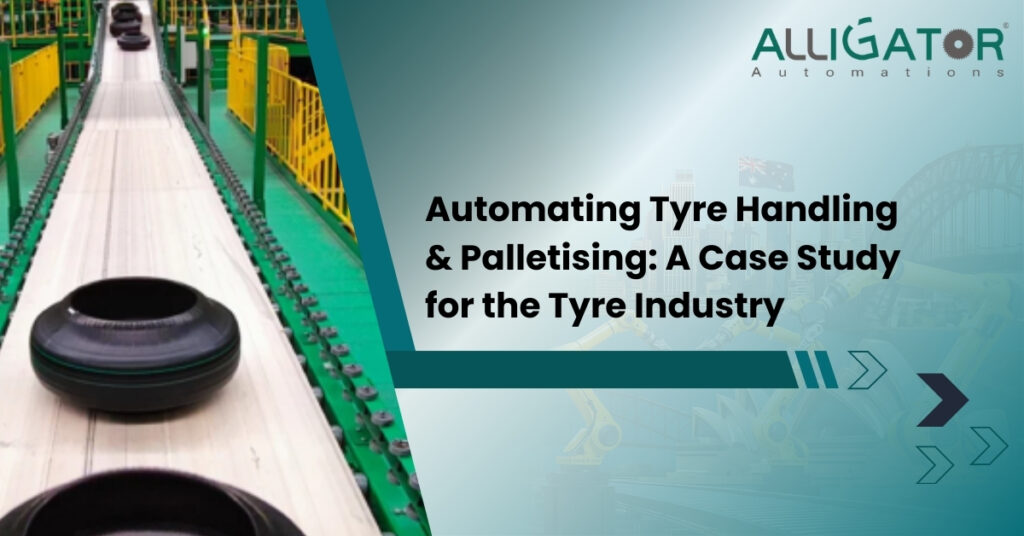
Automating Tyre Handling & Palletising: A Case Study for the Tyre Industry Summary: Automation is rapidly transforming the tyre manufacturing industry by improving efficiency, safety, and productivity. Manual tyre handling often leads to worker fatigue, inconsistent pallet stacking, and operational bottlenecks. By integrating automated tyre handling systems, conveyor technologies, robotic palletising, and stretch wrapping solutions, manufacturers can streamline operations and reduce reliance on manual labour. This case study explores how automation can optimize tyre handling processes, improve workplace safety, and enhance logistics efficiency in modern tyre production facilities. The tyre manufacturing industry operates in a highly competitive and demanding environment where efficiency, safety, and productivity are critical. Tyre manufacturers handle thousands of tyres daily, moving them through multiple stages such as inspection, sorting, stacking, palletising, and loading for distribution. Traditionally, many of these tasks have been performed manually, which often leads to inefficiencies, workplace injuries, and inconsistent output. With the rise of advanced automation technologies, tyre manufacturers are increasingly adopting automated tyre handling and palletising systems. These solutions streamline production processes, reduce manual labour, improve worker safety, and ensure consistent pallet stacking for efficient logistics. This blog presents a case study-style overview of how automating tyre handling and palletising can transform operations in the tyre industry. Challenges in Manual Tyre Handling Before implementing automation, many tyre manufacturing facilities rely on manual labour to handle finished tyres. While this approach may seem straightforward, it presents several operational challenges. Heavy and Repetitive Lifting Tyres, particularly those used in trucks, buses, and industrial vehicles, can be heavy and bulky. Workers repeatedly lift, move, and stack tyres throughout the day. Over time, this repetitive work can lead to fatigue, musculoskeletal injuries, and decreased productivity. Inconsistent Pallet Stacking Manual stacking often results in uneven or unstable pallet loads. Inconsistent stacking patterns can cause issues during storage and transportation, increasing the risk of pallet collapse or product damage. Slow Throughput Manual processes limit the speed at which tyres can be sorted, stacked, and palletised. As production volumes increase, bottlenecks often occur in the packaging and logistics stages. Workplace Safety Risks Handling tyres manually involves bending, lifting, and twisting movements, which significantly increase the risk of workplace injuries. Additionally, busy production lines create environments where accidents can occur if proper handling procedures are not followed. These challenges highlight the need for automated solutions that improve both operational efficiency and worker safety. The Role of Automation in Tyre Handling Automated tyre handling systems are designed to manage tyres from the end of the production line through sorting, stacking, palletising, and preparation for shipment. These systems typically include conveyors, robotic arms, automated grippers, palletising machines, and stretch wrapping equipment. By integrating these technologies into the production workflow, manufacturers can significantly improve operational performance. Automation ensures consistent handling, reduces manual labour requirements, and enables tyre manufacturers to scale their operations more effectively. Case Study: Implementing Automated Tyre Handling & Palletising A large tyre manufacturing facility producing passenger and commercial vehicle tyres faced several operational challenges. The company needed to improve throughput, reduce worker fatigue, and optimize pallet loading for distribution. Initial Situation The factory relied heavily on manual labour to move tyres from the production line to the palletising area. Workers manually lifted tyres from conveyors, stacked them onto pallets, and prepared them for shipping. The key problems included: Frequent worker fatigue and injuries Inconsistent pallet stacking patterns Production bottlenecks during peak output periods Limited ability to scale operations as demand increased To address these issues, the manufacturer decided to implement a fully automated tyre handling and palletising system. The Automation Solution The automation solution included several integrated components designed to streamline tyre movement and pallet preparation. Automated Conveyor Systems Conveyor systems were installed to transport tyres directly from the production line to sorting and palletising stations. These conveyors reduced the need for manual transport and ensured a continuous flow of tyres. Advanced sensors were also integrated to track tyre movement and prevent jams or misalignment. Many tyre manufacturers work with specialised providers such as a Tire Handling Conveyors Manufacturer in Australia to design customised conveyor systems that match their production requirements. Tyre Orientation and Sorting Before palletising, tyres must be properly oriented. Automated systems were used to align tyres in the correct position to ensure consistent stacking. Sorting mechanisms were also implemented to separate tyres based on size, type, or order requirements. Robotic Tyre Handling Industrial robotic arms equipped with specialised tyre grippers were introduced to handle the tyres. These robots can lift tyres of various sizes and stack them precisely according to pre-programmed patterns. The robotic system ensures accurate placement, improving pallet stability and reducing the risk of product damage. Automated Palletising Automated palletisers were integrated to stack tyres onto pallets in optimised configurations. These machines are capable of handling high volumes while maintaining consistent stacking patterns. Operators can easily adjust pallet configurations based on tyre size or shipping requirements. Stretch Wrapping for Load Stability After palletising, automated stretch wrapping machines secure the pallet load with protective film. This ensures that tyres remain stable during transport and storage. Results Achieved After implementing automated tyre handling and palletising systems, the manufacturer experienced significant improvements across several areas. Increased Productivity Automation enabled the facility to process tyres much faster than manual handling allowed. The production line maintained a continuous flow without bottlenecks in the palletising stage. Improved Worker Safety By eliminating heavy lifting tasks, the company significantly reduced workplace injuries and worker fatigue. Employees were reassigned to more skilled supervisory and maintenance roles. Consistent Pallet Quality Automated palletising ensured uniform stacking patterns for every pallet. This improved pallet stability and reduced the risk of damage during transportation. Reduced Operational Costs Although the initial investment in automation was substantial, the long-term savings in labour costs, injury-related expenses, and improved efficiency resulted in a strong return on investment. Better Space Utilisation Optimised pallet stacking allowed the manufacturer to store and transport more tyres per pallet, improving warehouse space usage and reducing logistics costs. Key Technologies Driving Tyre Automation Several technologies are